Exploring the transformative impact of work-based learning, this article highlights how authentic contributions reshape student identity and engagement.
Today, Reem Al-Adhami is navigating her journey through aerospace engineering, fueled by experiences from summers spent in the Power Up Your Potential program at the PAST Foundation in Columbus, Ohio. Initially entering the program as a student, she later embraced the role of a peer advisor, shaping the experiences of others and offering them the same transformative opportunities that influenced her own path.
That transformation is striking, considering her father’s reflections on her past. Reem was once the quiet daughter who shied away from social interactions. After her first summer in the program, she emerged with newfound confidence, sharing stories and engaging more deeply with her family. The pivotal moment came during a graduation ceremony when she volunteered to present—a significant leap for someone who had previously avoided the spotlight.
The Evolution of Purpose in Learning
Traditional measures of student success often fall short of capturing deeper changes in students. While grades and certifications matter, the most profound outcomes might include how well students understand their identities and their place in the world. For Reem, realizing her goals in aerospace engineering was merely one aspect of her transformation.
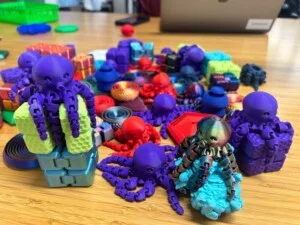
Initially, many believed that work-based learning primarily served to expose students to various career paths. However, as time went on, it became clear that these experiences also fostered self-identity, influencing how students perceived themselves and their potential contributions to society. Reem's involvement in creating 3D-printed fidget toys for younger students with sensory needs exemplified this connection. The happiness she saw in those children affirmed her belief that her efforts were meaningful.
From Task Completion to Authentic Engagement
This shift from superficial task completion to genuine engagement occurs when students contribute to real initiatives that benefit others outside the classroom. The stakes elevate, enabling deeper relationships and helping students perceive themselves as valuable contributors. Reem notes this change readily: “These tasks are not just about checking off a box for the teacher; they hold real significance for someone.”
Work that resonates personally encourages genuine curiosity and the desire to engage. Reem challenges the narrative that young people lack motivation, asserting that when they connect to their passions, they thrive. “Kids aren’t lazy; they are full of ideas,” she insists, emphasizing that learning environments must adapt to foster and inspire curiosity.
Building Stronger Connections Through Real Work
Reflecting on her growth, Reem highlights that transformation occurs within a supportive learning environment composed of peers, advisors, and community partners. These relationships are integral, nurturing a sense of belonging that propels students beyond compliance to genuine contribution. Students like Reem, in their roles as peer advisors, start to facilitate an ecosystem where they share ownership of projects and exchange knowledge more freely, diminishing the need for constant adult supervision.
“I witnessed their growth firsthand,” she shares, shedding light on how this model encourages collaboration that benefits everyone involved. Students act as catalysts, generating knowledge and solutions that positively impact their communities. As they engage with meaningful work, they feel a sense of agency and purpose; instead of asking, “What do I need to do to get a grade?” they start questioning, “How can this help others?”
Shaping the Future of Learning
The insights gleaned from Reem's experiences underscore the necessity for educational entities to rethink curricula. No student should be limited to a classroom-bound curriculum detached from real-world situations. Engaging students in challenging real problems, connecting them with community leaders, and allowing for exploration beyond prescribed learning can lead to an enriched educational experience.
Students are already capable of contributing effectively—it's essential to cultivate environments where their voices are heard and valued. The primary shift in education shouldn't just prepare students for distant futures but empower them as active contributors in the here and now. By nurturing these essential skills, the education system can help young people make meaningful contributions to society, all while fostering their curiosity and growth.
The potential lies not just in academic achievement but in encouraging students to feel a part of their communities—students are not merely passive recipients of knowledge; they should be seen as dynamic contributors. This perspective fundamentally alters not just individual journeys, but the educational environment as a whole, fostering a cycle of reciprocity that benefits the entire community.
As we contemplate the future of education, it’s crucial to focus on creating inclusive, meaningful opportunities that empower students today. The narrative must shift from focusing solely on compliance toward recognizing the value of contribution—ensuring that every young person realizes the significance of their potential to make a difference.
Discussion
Sign in to join the discussion.