The EEOC escalates its inquiry into Harvard's diversity practices, seeking compliance with its expansive document subpoena amid allegations of discrimination.
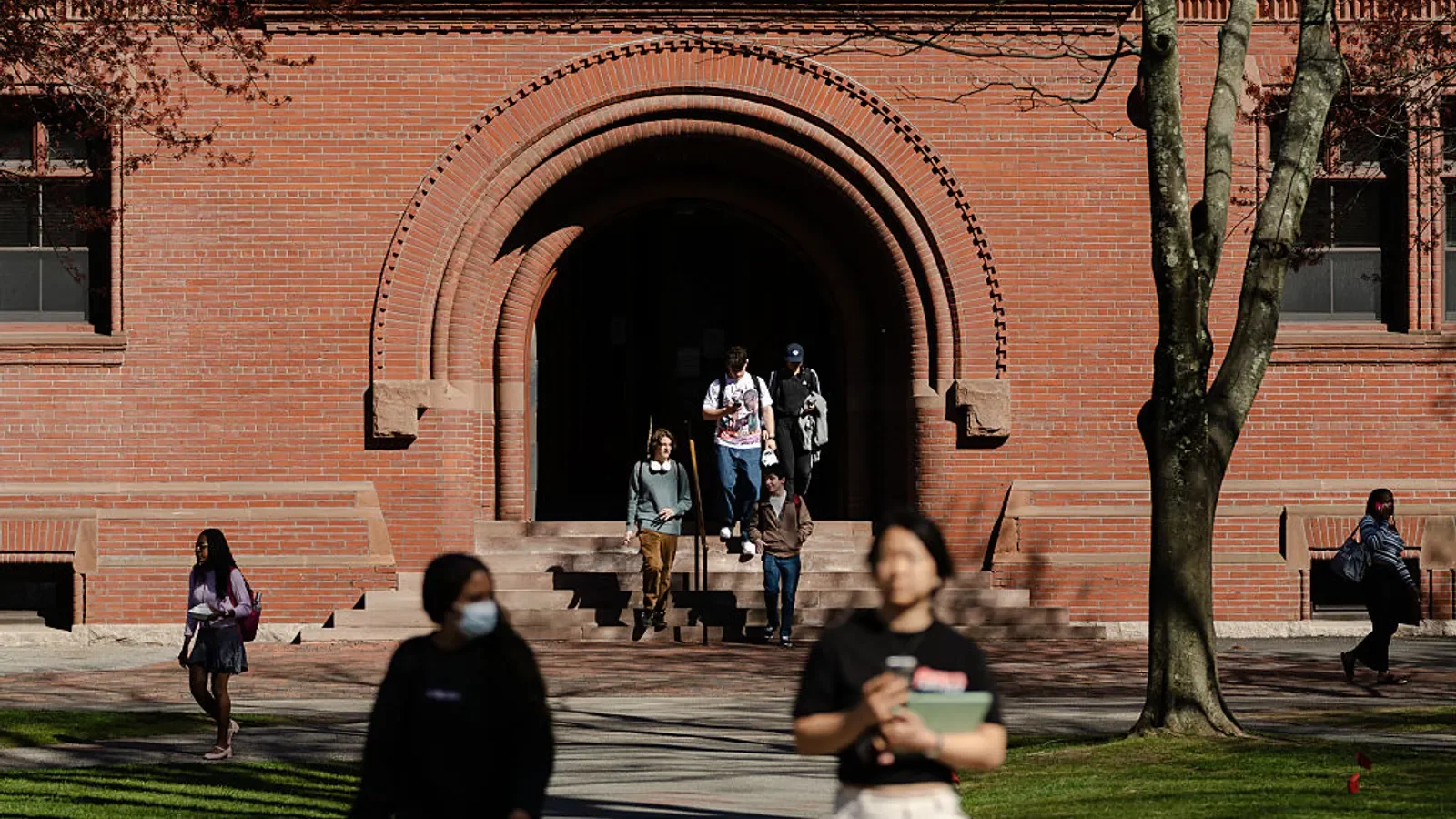
Heightened Scrutiny on Harvard's DEI Policies
The U.S. Equal Employment Opportunity Commission (EEOC) has heightened its investigation into allegations surrounding Harvard University’s approach to diversity, equity, and inclusion (DEI) policies. The agency has sued Harvard to enforce a subpoena that demands a vast array of documents believed critical for the inquiry. This reflects a growing concern not just in higher education but also across various sectors over how DEI initiatives are being implemented, potentially impacting fairness in hiring practices.
The Allegations Behind the Subpoena
The EEOC's legal action follows a charge claiming that Harvard maintains a "comprehensive plan to discriminate" against various groups—including white and Asian males—in faculty-related roles. This claim opens a Pandora's box regarding how universities may effectively be redefining meritocracy in the name of inclusivity. The implications are significant: if true, these practices could be seen as undermining the very principles of equality and fairness that DEI initiatives aim to promote.
According to the lawsuit, Harvard has thus far provided over 9,000 pages of information yet continues to resist the additional demands laid out in the subpoena, which reportedly consists of 700 specific requests linked to numerous individuals. The agency contends that these documents are vital to determine if Harvard is violating Title VII of the Civil Rights Act of 1964. The aim is to uncover trends that may indicate a pattern of discriminatory practices hidden within the university's DEI framework.
Documentation and Compliance Challenges
In the legal filings, the EEOC stated that despite Harvard's claimed good faith in cooperating, the institution has withheld crucial information. The agency's subpoena seeks extensive documentation, including files related to hiring committee guidelines, communication pertaining to diversity initiatives, and records of any internal and external discrimination complaints. This growing scrutiny reflects a broader trend not only targeting Harvard but also examining similar DEI practices in high-profile organizations such as Nike and The New York Times.
This isn't just about Harvard; it's a wake-up call for many institutions that have embraced DEI principles without sufficient accountability measures. The tension between promoting diversity and ensuring equity for all is fraught with potential pitfalls. If you're working in this space, you'll want to consider how your organization's DEI policies are interpreted and whether they might spark similar investigations.
Harvard's Defense and Perspective
In response, Harvard disputes the legitimacy of the EEOC’s inquiries and describes the subpoena as a "fishing expedition." They argue that the material requested imposes too great a burden on its operations across numerous colleges, dwarfing the relevance of the information sought. The institution underscores its efforts to engage with the EEOC, suggesting numerous opportunities for dialogue regarding the specifics of the requests. Here’s the thing: Harvard's defense raises important questions about due process and the balance between institutional autonomy and governmental oversight.
Moreover, Harvard's motion contests the nature of the original charge, characterizing it as vague and lacking specificity. The university asserts that these claims reflect a retaliatory agenda aimed at compelling them to conform to external ideological pressures. This line of defense aligns with a wider narrative concerning the clash between academic freedom and societal expectations in a polarized environment.
Context: The Broader Implications of the Investigation
The backdrop of this investigation dates back to April 2025, when EEOC Chair Andrea Lucas publicly stated suspicions that Harvard may have engaged in discriminatory practices since 2018 to enhance faculty diversity. The memo supporting the current subpoena outlines these concerns, emphasizing that the university’s efforts to recruit and develop a diverse faculty may unfairly exclude other candidates. This scenario serves as an exemplar of a tension that can exist within DEI initiatives: the fine line between promoting diversity and potentially fostering a perception—rightly or wrongly—of reverse discrimination.
Moreover, the investigation extends its purview to Harvard’s medical school and affiliated institutions, touching upon recruitment and promotional practices intended to favor individuals from "underrepresented and diverse backgrounds." While these practices might be well-intentioned, they invite questions about the criteria used for evaluating qualifications and merit.
What’s at Stake and The Future of DEI Policies
This ongoing legal battle not only exposes the intricate challenges surrounding DEI but also catalyzes a broader discussion on institutional practices influencing diversity within higher education. The implications of these disputes could significantly reshape how educational institutions construct and implement their diversity programs. What this means for you—if you’re part of an organization navigating DEI initiatives—is that the outcomes of these investigations could set significant precedents.
In a previous engagement, the EEOC sought to enforce a document demand related to alleged discriminatory comments during San Francisco’s DEI training. Such cases offer a glimpse into the agency's intensified focus on DEI-related practices and underscore the complex dynamics at play when balancing fair employment against principled diversity efforts. This is more significant than it looks; the repercussions could affect policies across multiple sectors, as the scrutiny over fairness in hiring practices continues to mount. The debate surrounding DEI is far from settled; rather, it's likely to grow more contentious.

Discussion
Sign in to join the discussion.