Admissions officials are adapting to AI and federal policy changes, as revealed in discussions at the recent NACAC 2026 conference.
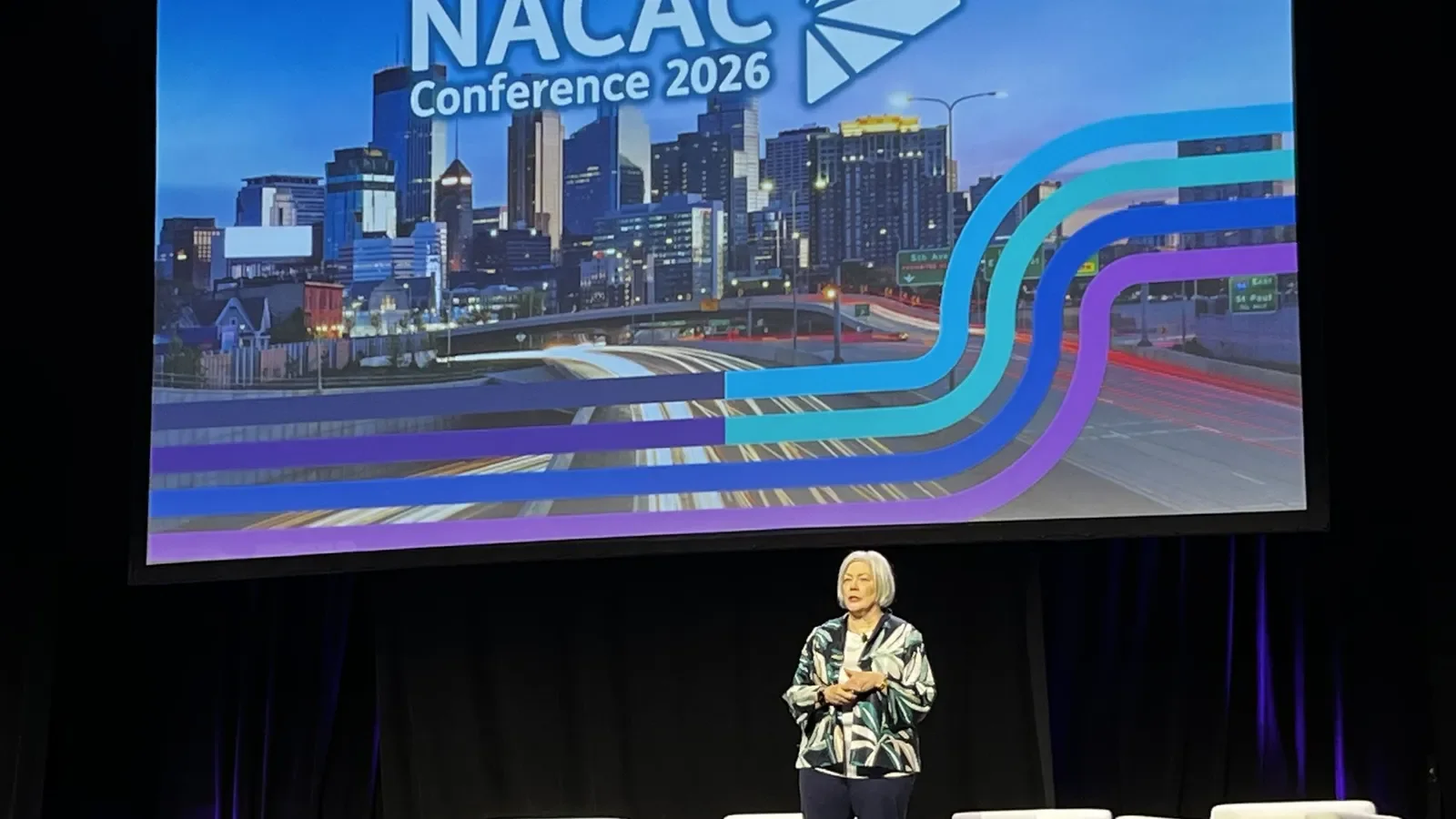
As the college admissions sector experiences ongoing transformations, professionals are reevaluating strategies to navigate these evolving challenges. The recent National Association for College Admission Counseling (NACAC) conference spotlighted several key issues that admissions teams are facing today. This gathering isn't just a forum for sharing ideas; it represents a critical moment in how universities maintain relevance and adapt their practices in an increasingly competitive and complex landscape.
The Role of Artificial Intelligence in Admissions
One significant topic of discussion involved the increasing integration of artificial intelligence into application processes. The buzz around AI isn't simply a trendy pivot; it raises essential questions regarding its impact on both institutions and applicants. The promise of AI lies in its ability to streamline application evaluations, enhance personalized communication, and even predict student success. But there's an underlying tension here. Will these technologies create a more equitable admissions process, or will they inadvertently reinforce existing biases? Access to historical data can cloud the judgement of algorithms, risking unfair assessments if not managed carefully. Admissions professionals are understandably torn. They recognize the efficiency AI can bring, yet they can’t ignore its ethical implications, making this topic deserving of serious contemplation.
Federal Investigations and Recruitment Practices
Another pressing issue on the agenda was the looming threat of federal investigations, which could have significant implications for recruiting practices and admissions decisions. This reality forces institutions to reassess their policies and procedures, given the potential fallout from investigations into racial discrimination. The stakes are high, particularly in an age where public perception can swiftly influence enrollment numbers. For colleges grappling with their own diversity and equity challenges, these investigations raise critical questions about transparency, fairness, and accountability. How can schools ensure that their processes are inclusive while also complying with federal law? The dialogue at NACAC revealed that there’s a growing consensus around the need for structural changes in admissions policies.
International Student Recruitment Amidst Political Turbulence
This year’s conference, held in Minneapolis, provided a unique platform for leaders in the admissions field to discuss pressing issues such as international student recruitment amidst fluctuating federal policies. With recent shifts in immigration rules and political sentiments, the recruitment of international students faces significant hurdles. The data might fluctuate, but one thing is clear: colleges rely on these students not just for tuition but also for enriching campus diversity. The discussions at NACAC revealed varied strategies institutions are adopting to navigate these changes. For instance, some schools highlighted partnerships with international organizations, while others focused on enhancing support services for incoming students. These efforts could be seen as essential adaptations in the face of uncertainty.
The Debate Over Supplemental Essays
The ongoing debate over the role of supplemental essays in applications has also been at the forefront of conversations. There's a growing divide among universities on whether these essays add genuine value to the admissions process or serve merely as an additional stressor for applicants. Supplementary essays have traditionally been used to gauge an applicant’s personality, fit, and writing ability, but do they genuinely help in identifying the best candidates? Some argue that they can highlight unique traits that traditional metrics can't capture; others suggest that they may favor students who can afford extensive coaching or time to refine their submissions. It's a nuanced debate, and determining whether to require these essays remains a contentious issue. After all, these decisions affect not just application rates but the overall experience of students entering college.
The Need for Adaptability in Admissions
Throughout the NACAC conference, one recurring theme was the pressing need for adaptability in an uncertain climate. The admissions landscape is no longer static; it is continuously evolving, and institutions must navigate this complexity with both innovation and caution. The dialogues underscored a collective realization: change isn’t just a checkbox—it’s an imperative. Institutions must be willing to reconsider their traditional practices and reimagine their approach to attracting and evaluating candidates. For admissions professionals, that means being agile, responsive to new data, and aware of the broader socio-political context impacting education.
Implications and Future Outlook
What this means for you, especially if you're working in this space, is clear: staying informed and adaptive could define your institution's future. The approach taken to integrate AI and respond to federal scrutiny will likely set the tone for how admissions is viewed by the public and prospective students alike. As colleges navigate these challenges, they’ll need to showcase not only their academic offerings but also their commitment to diversity, equity, and ethical practices. This is more significant than it looks; decisions made in the hallways of conferences like NACAC will ripple out to influence enrollment trends, student demographics, and institutional reputations.
The implications of these discussions extend well beyond the conference room. As the admissions field grapples with these challenges, a proactive stance will become integral to survival. Adapting now could very well determine which institutions thrive in the coming years, and which falter under the weight of outdated practices and negative perceptions.
-
How 3 universities are approaching international student recruitment
By Laura Spitalniak • Oct. 12, 2026Leaders shared strategies for attracting international students amid political turbulence. Read the full article ➔
-
Why women of color leave admissions work — and what institutions can do
By Laura Spitalniak • Oct. 9, 2026Discussions focused on enhancing support for women of color in admissions roles. Read the full article ➔
-
3 admissions experts on why they require — or nixed — supplemental essays
By Laura Spitalniak • Oct. 13, 2026University leaders explored strategies related to application essays and AI. Read the full article ➔
Discussion
Sign in to join the discussion.