Moody's suggests that potential IRS tax status revocations over diversity efforts could significantly threaten college finances.
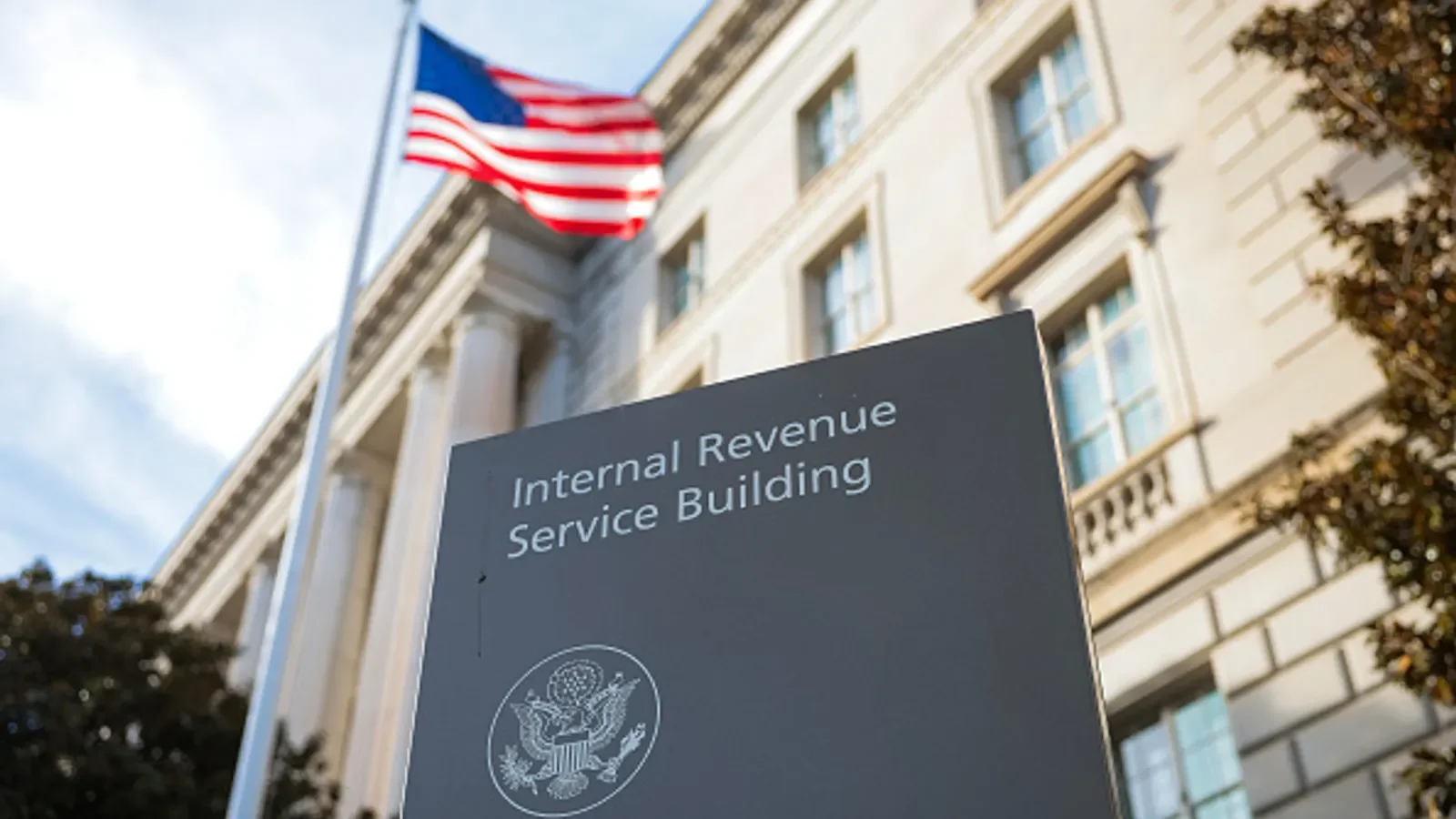
The Trump administration’s latest proposal to remove the tax-exempt status from private nonprofit colleges, particularly related to their diversity policies, could have severe financial repercussions for these institutions, according to a recent report by Moody’s Ratings. Should colleges be found in violation of the proposed regulations, not only could they face increased legal costs, but they might also see a substantial decrease in funding. The potential fallout is significant, reshaping the operational and financial frameworks of many educational institutions.
Analysts from Moody’s find it unlikely that widespread revocation of tax status will occur, as most institutions will likely attempt to adhere to the new rules. However, compliance itself may lead to elevated expenses. Notably, if colleges were to lose their tax-exempt status, the impact on fundraising could be profound; donors would no longer be able to enjoy tax deductions on their gifts. This could redirect funding away from these institutions, leaving them scrambling for alternatives and potentially squeezing budgets already strained by a host of factors such as enrollment declines or increased operational costs.
Financial Consequences for Higher Education
The financial implications stemming from this shift would heavily affect the philanthropic landscape. Moody's research illustrates that philanthropic contributions accounted for about 6.6% of gift revenue among the institutions in their portfolio in fiscal 2025. Should donors choose to invest in other tax-exempt organizations to maintain their tax advantages, this could lead to a significant shortfall for colleges. Such a funding gap could undermine long-term planning and jeopardize projects that enhance both the physical campus and student amenities.
Philanthropic gifts often serve as critical funding for new campus facilities, like academic buildings, residential halls, and athletic complexes. These projects are not mere enhancements; they are investments in attracting students and faculty. A downturn in large donations for capital projects could weaken the financial stability of colleges, particularly those already facing challenges. If you're working in this space, you know that losing this revenue stream might not just affect building plans but could ensnare entire programs that rely on external funding for operations and upgrades.
On top of losing out on philanthropic funds, institutions may find themselves needing to rely on taxable bonds, which carry higher costs. The potential cumulative debt service costs could run into millions over time for colleges unable to issue tax-exempt debt. This shift may force institutions to reconsider their budgets, put off critical projects, and even make cuts that could affect academic offerings or student services.
Legal and Operational Uncertainties
As for how much tax liabilities colleges might incur, those figures are still difficult to predict. Moody’s describes the extent of potential federal tax obligations as “somewhat uncertain.” The situation is complicated further by the anticipation of legal challenges following the implementation of a final rule. Historical precedents suggest that previous moves by the Trump administration, including attempts to cap indirect research funding and the Education Department's controversial DEI guidance, encountered successful pushback in courts. This raises questions about how viable these reforms will be and what sort of long-term legal battles institutions could face in the wake of new regulations.
The Treasury's proposal, unveiled earlier this month, aims to overturn a policy in place for nearly fifty years. This longstanding regulation allowed colleges to prioritize racial minority groups in their programming and financial aid as a means of supporting nondiscrimination efforts. “Today’s proposed regulations put institutions on notice,” remarked Frank Bisignano, head of the IRS. “Colleges that continue to engage in racial discrimination should expect to lose their tax-exempt status.” The implications of this statement are profound. It signals a shift in the government’s approach to how diversity and inclusion efforts are perceived and regulated in educational institutions.
The Treasury Department expects to finalize the regulation and implement it by June, currently soliciting public comments until November. This timeline suggests that institutions need to act swiftly, even as many may still be grappling with uncertainties about compliance and legal ramifications. Trust me—this is the part most people overlook, as institutions often underestimate the costs related to legal and operational adjustments.
Political Implications
The potential for these new regulations to serve as a political tool aimed at targeted colleges has prompted pushback from some lawmakers. Two House Democrats recently proposed legislation to introduce additional protections, asserting that the IRS should demonstrate concrete evidence before initiating investigations into colleges. This bill would extend to all forms of higher education, including public institutions and their associated foundations, while aiming to safeguard against probes stemming from a college's curriculum or ideological stance. If passed, this could create a more complex regulatory environment for colleges that will be forced to navigate political waters amidst financial scrutiny.
Future Outlook
As these developments unfold, colleges must brace themselves for not just financial implications but also operational shifts that could redefine their engagement with both donors and government entities. This environment presents an opportunity for innovation in fundraising strategies and partnerships, as institutions will likely need to diversify revenue streams to cope with rising costs and dwindling donations. Finding new ways to appeal to donors without the significant incentives of tax deductions might push colleges to reconsider how they market their missions.
In the long run, the evolving tax status regulations could force a reckoning in how colleges approach diversity, equity, and inclusion. If financial resources really tighten, these institutions could be compelled to reassess their commitments and strategies around these significant issues. As pressure mounts from various directions, the essence of what it means to be a nonprofit college could hinge on navigating these challenges with agility and perspicacity.

Discussion
Sign in to join the discussion.