Recent data reveals a small increase in college enrollment for high school graduates, particularly from low-income backgrounds.
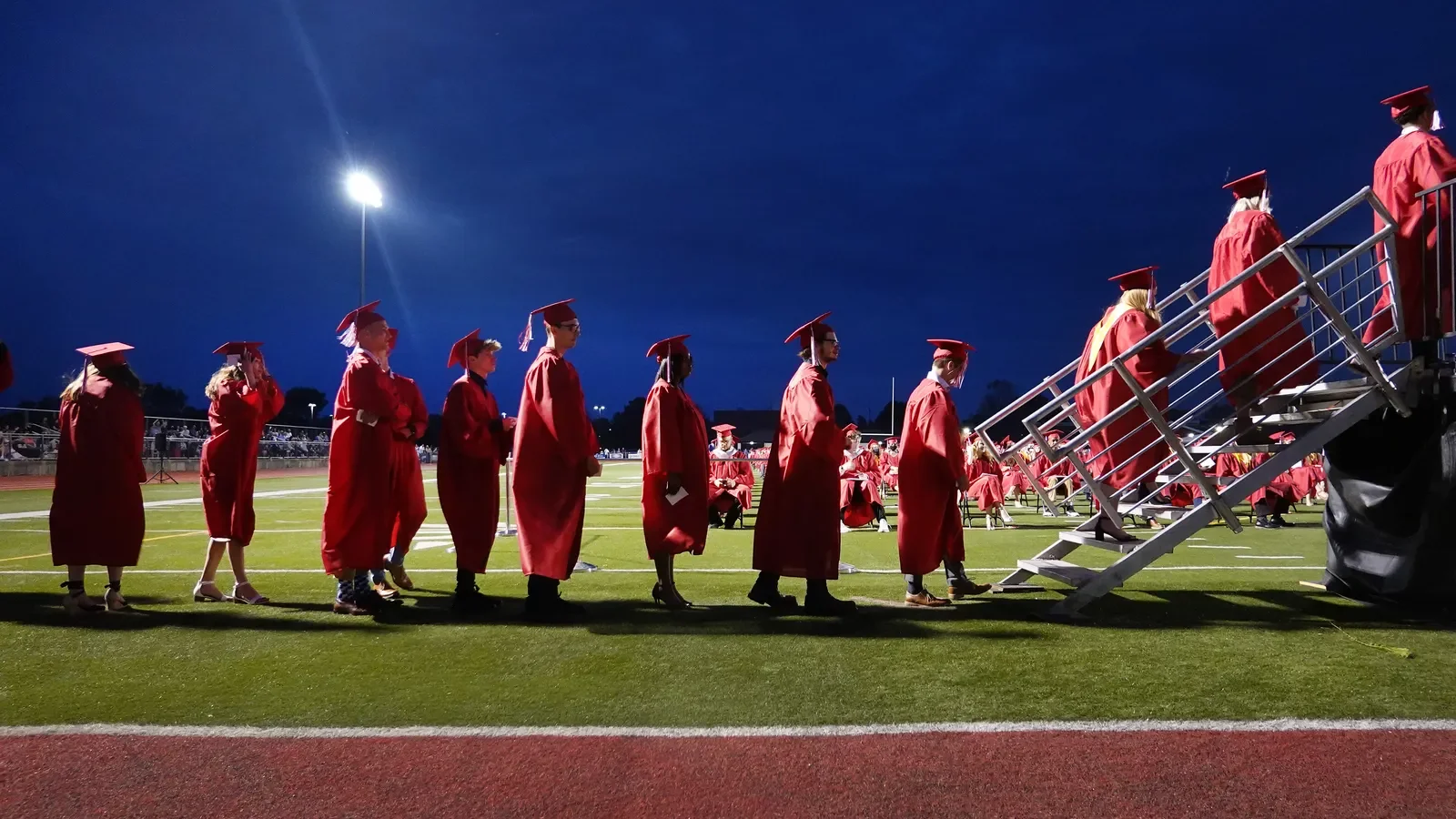
The latest findings from the National Student Clearinghouse Research Center indicate an uptick in college enrollment rates for high school graduates. The data shows that this trend holds for both high- and low-poverty high schools, suggesting improvements across diverse socioeconomic backgrounds.
Enrollment Statistics
For the graduating class of 2025, 73.9% of students from low-poverty high schools enrolled in college immediately after graduation, a slight increase from 73.1% the previous year. Graduates from high-poverty schools showed similar progress, with an immediate enrollment rate of 51.2%, up from 50.8% in 2024. These numbers reflect a continued push toward higher education accessibility, but they also raise questions about sustainability. After years of advocacy for college readiness, the slight rise in these rates suggests that there are factors at play, including counseling resources and community support systems, that could be influencing these outcomes.
Persistence Rates on the Rise
Persistence rates, which measure students' return for their second year, also saw an encouraging rise. Graduates from the class of 2023 demonstrated greater commitment to their studies, with those from high-poverty schools returning at a rate of 76%, compared to 74.3% from the prior cohort. Low-poverty graduates saw even higher rates, with an impressive 90.6% continuing their education into the sophomore year, up from 89.4% the year before. This uptick in persistence is particularly telling; it suggests that the initial leap into college is being supported by programs designed to help at-risk students stay focused and engaged. What this means for you, if you're working in this space, is that there may be effective interventions to study and replicate.
Two-Year Enrollment Transition
Examining longer-term trends, the high school class of 2023 also made strides toward college enrollment within two years of graduation. Among those from high-poverty schools, the rate rose from 56.6% to 58.7% compared to the class of 2022. For low-poverty students, the share increased from 75.9% to 77.9% over the same period, signaling broader shifts in educational pursuit across socioeconomic lines. This suggests that schools are effectively preparing students for higher education, but achieving equality in these rates still requires vigilance and resources. Policymakers must confront the ongoing disparities that exist between different socioeconomic groups as they pursue educational equity.
Insights from the National Student Clearinghouse
Matthew Holsapple, senior director of research at the Clearinghouse, highlighted these trends as modest yet positive indicators. "It's noteworthy that graduates from high-poverty high schools have outpaced their peers in both enrollment and persistence," he noted during the announcement of these findings, underscoring the importance of continued support for these students. Such insights emphasize that while improvements are evident, the educational system requires ongoing attention. The question remains: are these statistics a reflection of systemic improvement, or merely the result of short-term initiatives?
Urban vs. Rural Enrollment Rates
Geographically, urban schools experienced the most significant growth in enrollment, with 67.1% of 2023 graduates attending college within two years, up from 65.2% the previous year. Comparatively, rural and suburban schools saw smaller increases; rural enrollment rose to 60.9% while suburban increased to 70.4%. (And this is the part most people overlook.) The gap between urban and rural enrollments poses a challenge that educational policymakers must tackle. Infrastructure, resources, and support systems in rural areas often lag behind those in urban centers. If institutions don’t address these disparities, urban-rural divides will likely persist, affecting the future of countless students.
Implications and Future Outlook
The emerging trends signal a positive direction for college enrollment, indicating that efforts to enhance access to higher education may be yielding tangible results. However, maintaining this momentum will require concerted efforts across the educational sector. Initiatives focused on improving high school curricula, increasing college readiness, and addressing the financial barriers faced by low-income students must remain top priorities. There's also a critical need for scalable models that can be implemented in various school settings to ensure that all students, regardless of their socioeconomic status, have the opportunity to thrive academically. As we look ahead, the real test will be whether these improvements can be sustained and measured over time, leading to genuine equity in educational attainment.
Discussion
Sign in to join the discussion.