President Trump targets $70 million in international education funds as part of a broader $810 million funding rescission deemed illegal by the GAO.
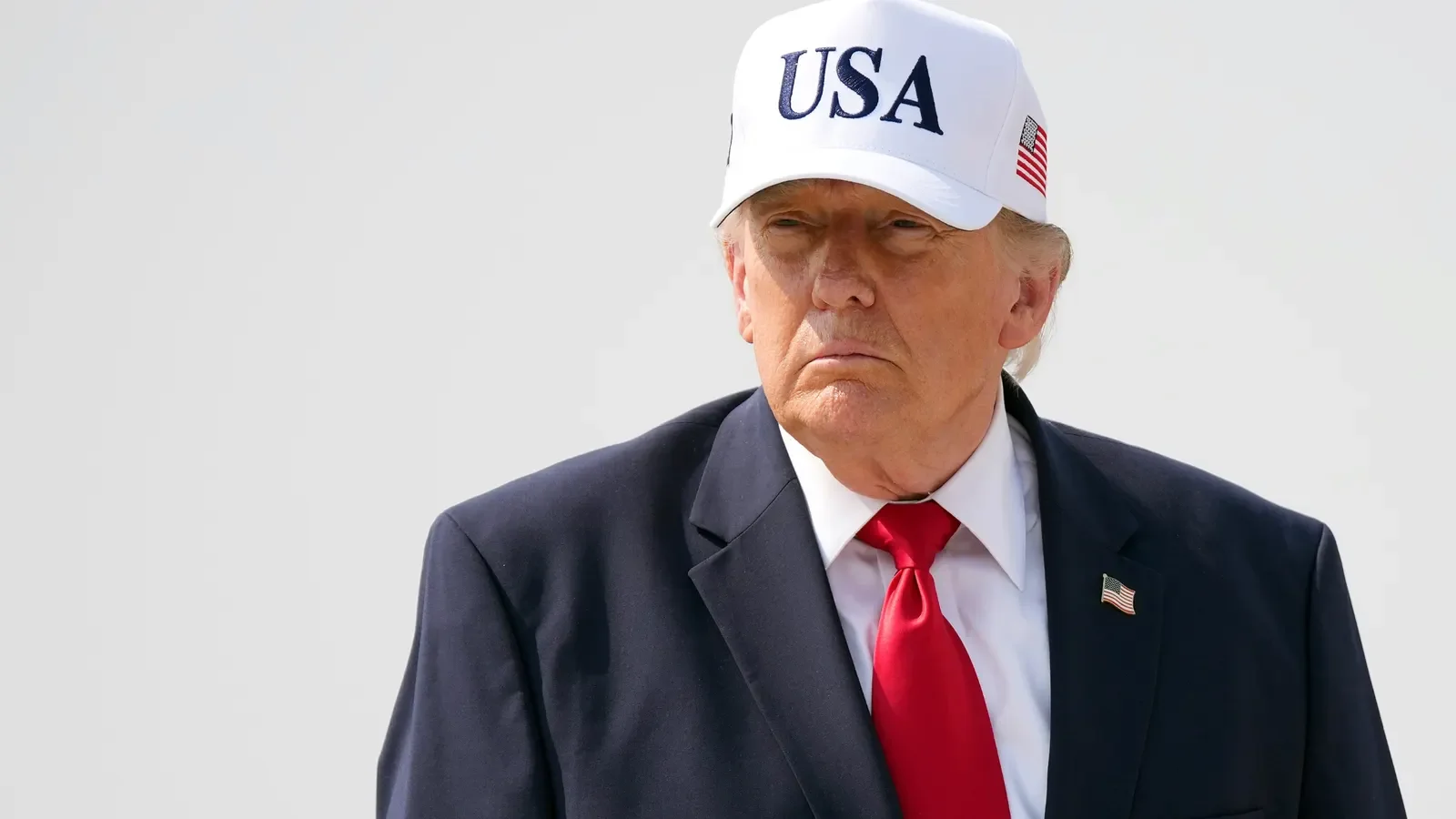
President Trump has taken steps to revoke $70 million in international education funding that Congress had previously appropriated, leveraging a controversial tactic known as pocket rescission. This maneuver has been flagged as illegal by the U.S. Government Accountability Office (GAO), which reiterated its stance on the matter recently.
The pocket rescission request made by the Trump administration has led to a suspension of a total of $810 million in federal funding, coinciding with the impending conclusion of the current fiscal year. This ambitious undertaking is seen as part of a sweeping effort to pull back resources away from programs and research initiatives that the administration finds objectionable, predominantly impacting the Department of Health and Human Services (HHS).
The Affected Programs
While few details were made available, the White House's press release indicated that the $70 million cut pertains to "woke international education" grants and fellowships. These grants historically helped U.S. institutions to host foreign students and faculty involved in educational and research activities.
According to an analysis released by the American Action Forum, a conservative think tank, the International Education and Foreign Language initiative under the Department of Education is the primary program facing cuts. This program plays a vital role in funding educational exchanges that promote global understanding.
The Trump administration's cutbacks extend largely to HHS funding, with the University of California and George Washington University being notable examples of institutions that would suffer from the retraction of federal support. The University of California was slated to receive $500,000 for a study on healthcare outcomes for transgender patients—a project the White House criticized as ideologically driven. Meanwhile, George Washington University would lose $2.1 million designated for a fellowship focused on advancing health equity, which was previously awarded by HHS’ Office of Minority Health.
Political Reactions
Typically, the president has a 45-day window to pause congressional funding, allowing Congress to review such requests. However, as Trump’s requests emerge near the fiscal deadline, the opportunity for congressional action is effectively nullified, rendering the funding cuts operational.
Jordan Haring, who serves as the director of fiscal policy at the American Action Forum, pointed out that the legality of this action remains untested in court, raising important questions about whether Congress must approve funding cuts for them to take effect. The Supreme Court has yet to provide clarity on the matter.
The White House has justified the rescission actions as being supported by "long-neglected Presidential authorities" under the Impoundment Control Act. However, numerous independent federal entities, including the GAO and Congressional Research Service, have deemed pocket rescissions either unconstitutional or illegal, casting a cloud of uncertainty over Trump's strategy.
Past Instances and Future Implications
This recent announcement may feel eerily familiar to legislators, as Trump employed similar tactics at the close of fiscal year 2025, successfully revoking billions from federal international aid initiatives and the U.S. Agency for International Development. Such actions had not been witnessed from the executive branch for decades.
Following this maneuver, some Democratic lawmakers have sought to curb the president's ability to utilize pocket rescissions to cancel appropriated funding. Nevertheless, attempts to embed restrictions in recent funding legislation have largely failed.
Senator Dick Durbin of Illinois criticized his Republican colleagues for their inaction during the summer when chances to counteract these cuts surfaced. He questioned their concerns now, suggesting a lack of solidarity at the time of proposed legislation to prevent such funding losses.
Interestingly, even within Republican ranks, there’s dissent regarding Trump's latest financial maneuver. Senator Susan Collins from Maine labeled the actions taken by the Office of Management and Budget as a direct challenge to Congress's appropriations powers, perceiving it as an ongoing attempt by the administration to overreach legislative authority.

Discussion
Sign in to join the discussion.