A fresh take on cybersecurity education leverages AI tools to enhance critical thinking and practical skills in students through immersive learning experiences.
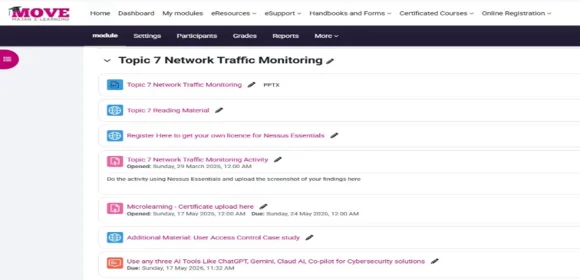
In the realm of cybersecurity education, traditional methods often falter in addressing the rapid evolution of threats and tools. I decided to embrace artificial intelligence as a pivotal element of my teaching strategy at Majan University College, challenging students to not only engage with AI tools but to critically assess their outputs. This approach has transformed the landscape of how cyber threats are taught.
The AI Debate in Academia
Many educators grapple with the integration of AI in the classroom, concerned about maintaining academic integrity as students have easy access to polished responses through platforms like ChatGPT. The fundamental issue isn't whether to ban AI but how to incorporate it in a way that fosters critical thinking. This is especially vital in cybersecurity, where familiarity with AI tools is essential for future professionals.
"The question was not whether to allow AI, but how to design learning around it so that critical thinking remained non-negotiable."
Challenges with Conventional Instruction
Cybersecurity is a field that outpaces educational curricula, with new vulnerabilities and threat actors emerging constantly. My observations in the classroom revealed a common issue: students could recite various terms but struggled to apply that knowledge in real scenarios. Knowledge without practical application is insufficient, and a different teaching approach was necessary.
Step 1: Hands-On Tools
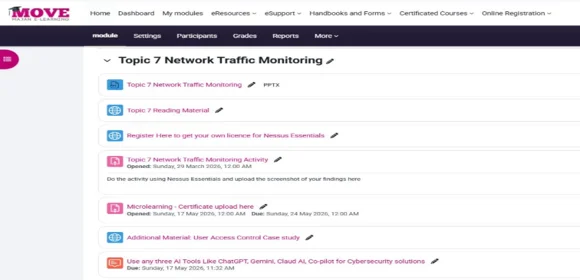
One significant shift was introducing students to industry-standard tools. Using a free license from Tenable, I had students deploy Nessus Essentials—a professional-level vulnerability scanner—to explore their own lab environments. This experience allowed students to uncover actual vulnerabilities, making the learning tangible. The moment students realized they had a critical-severity exploit in their system, the abstract concepts of cybersecurity became urgent and relevant.
Step 2: AI Tool Comparison
After identifying a vulnerability, I instructed my students not to rush into remediation. Instead, they consulted three different AI tools, like ChatGPT and Google Gemini, to compare their suggested solutions. This task turned out to be a rich source of academic discourse, as students debated the technical merits and weaknesses of various approaches. Through these discussions, students gained a deeper understanding of not only the tools they used but also how to evaluate their effectiveness.
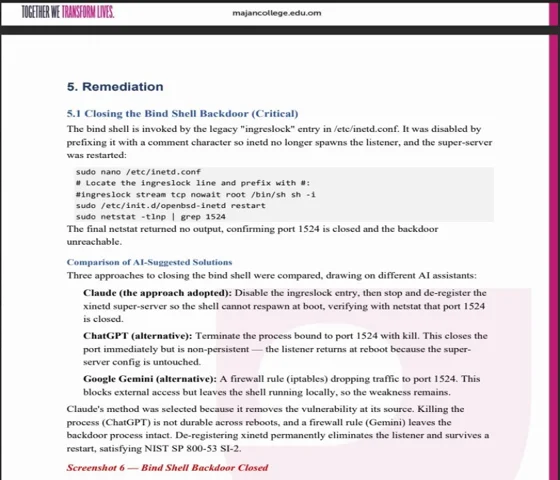
One student's comparative analysis clearly illustrated the benefits of evaluating different methodologies. Claude's recommended fix effectively eliminated the vulnerability permanently, while ChatGPT’s suggestion was temporary. This exercise cultivated essential AI literacy, equipping students to not just use AI tools but also to challenge and validate their outputs.
Step 3: Microlearning for Maximal Retention
To support these hands-on activities, I restructured course content into microlearning units ranging from five to ten minutes. Each unit was launched on MOVE, our e-learning platform, prior to lab sessions, allowing students to familiarize themselves with key concepts before they applied them. This format increased engagement and accountability, fitting into students' busy schedules while minimizing cognitive overload.
Evaluating Outcomes
The results after one semester were striking. There was a marked improvement in students’ practical assessment performances, particularly regarding live vulnerability remediation efforts. Feedback noted increased confidence levels and a notable advancement in analytical writing through forum discussions. Traditionally struggling students thrived in this hands-on environment, contributing meaningfully to collective learning through AI evaluations.
Key Lessons for Educators
1. **Adopt Real-World Tools**: Utilize resources like Nessus Essentials that provide students with actual vulnerability scanning experience, establishing a strong link between theory and practice.
2. **Engage Students in AI Analysis**: Structure assessments around the comparison of AI outputs rather than mere usage. This fosters critical thinking and a deeper understanding of AI’s capabilities and limitations.
3. **Employ Microlearning Techniques**: Keep content delivery concise and directly applicable to lab tasks. This approach reinforces on-the-spot learning and retention.
Cybersecurity education today hinges on more than merely imparting knowledge of existing threats. It’s about preparing students to think critically and strategically, especially as they navigate the complexities of AI and its implications in the field. What began as an experiment with my teaching methods at Majan University College has now become a foundational aspect of my pedagogy in cybersecurity.
This article summarizes the detailed insights from a peer-reviewed article titled A Pedagogical Framework for Embedding Microlearning, Gamification, and Industry Credentials in Undergraduate Cybersecurity Education by Ramalingam Dharmalingam at Majan University College.
Dr. Ramalingam Dharmalingam is an Assistant Professor in the Faculty of IT at Majan University College, focusing on cybersecurity education and AI-assisted learning. He is a Senior Fellow of Advance HE, UK, and a Senior Member of IEEE. Connect with him on LinkedIn.

Discussion
Sign in to join the discussion.