Higher education advocates are pushing back against new DHS guidance that limits Curricular Practical Training opportunities for international students.

Higher education organizations, including the Association of American Universities, have formally challenged the U.S. Department of Homeland Security (DHS) over recent changes to the Curricular Practical Training (CPT) program. This lawsuit highlights concerns that the agency has unlawfully restricted opportunities for international students to gain practical training while studying in the U.S.
DHS's New Requirements
Under longstanding regulations, the CPT program has allowed international students to engage in internships and other off-campus training opportunities linked to their field of study. This flexibility has long been a pillar of the U.S. educational experience for foreign students, enabling them to integrate theoretical knowledge with practical application. However, in an August update, DHS narrowed eligibility criteria, stating that only training deemed "required" for degree completion would qualify for CPT. This abrupt policy shift has raised alarms within the higher education community, which argues it contradicts decades of previous interpretations that have recognized the value of optional internships.
Arguments from Higher Education Groups
The lawsuit, filed on October 4, asserts that DHS’s modification represents a "sudden, unexplained reversal" from its previous practices. Critics argue that the new guidance fails to consider training opportunities that have historically provided valuable experience to students, like internships that are not mandatory but nonetheless critical for career development. If you're working in this space, you'll understand how these internships can often make or break a student’s entrance into their desired career.
In their complaint, the plaintiffs contend that the revised rules violate the Administrative Procedure Act. They argue that DHS changed its policy without sufficient justification or a proper notice-and-comment period, which is necessary for substantial regulatory changes. This lack of transparency raises significant concerns about the decision-making process behind such impactful regulations. The institutional repercussions are significant, as failure to adhere to the new guidance could result in severe penalties for colleges, including loss of the ability to accept international students. That’s a drastic consequence for universities that rely on diversity to enrich their academic climates.
Potential Impact on Students and Institutions
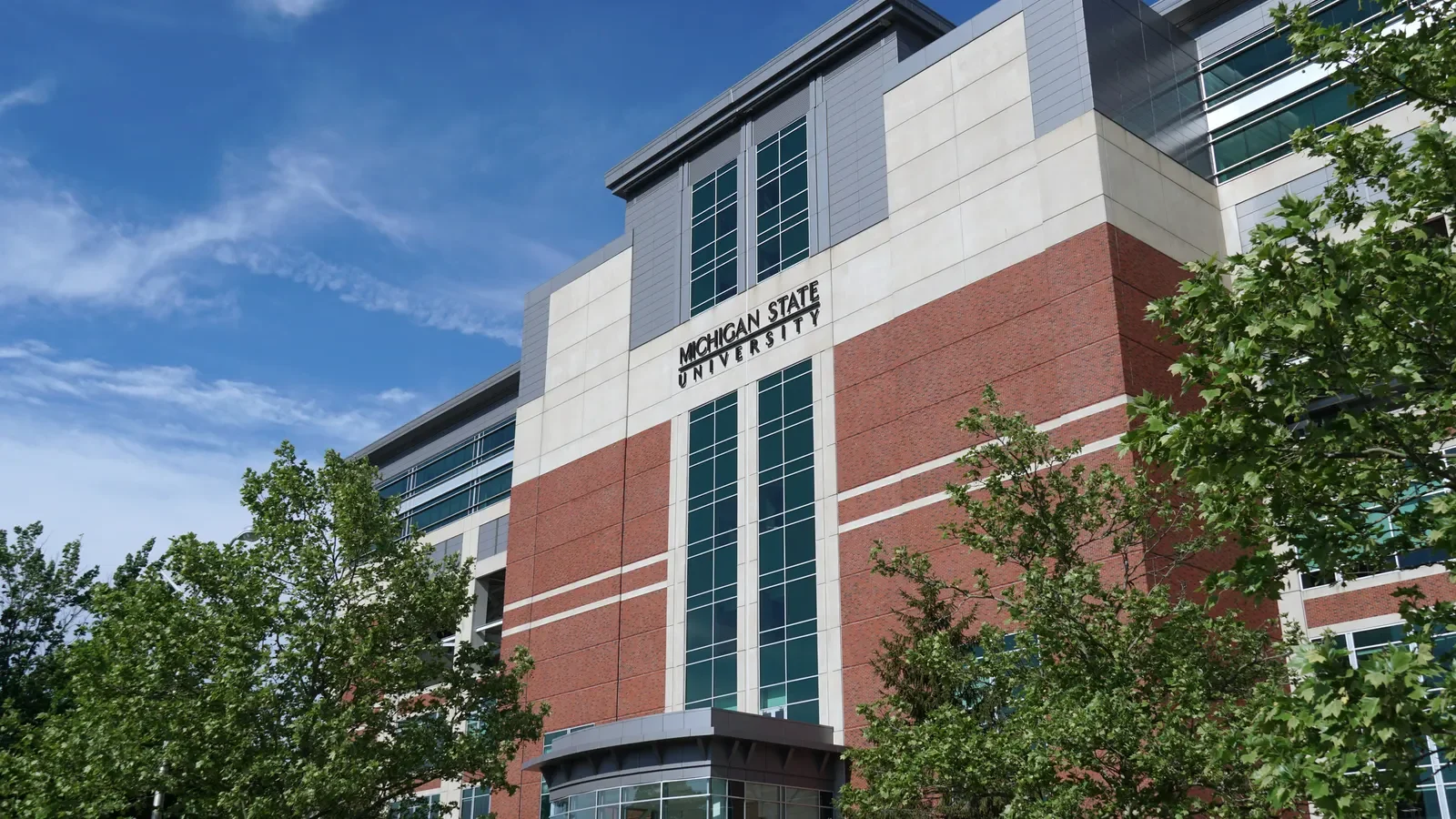
Various colleges, such as Columbia University and Michigan State University, have already begun to restrict their CPT offerings in response to the new DHS guidelines. This compliance has been labeled as necessary due to the government’s threat to terminate their capacity to enroll international students entirely. Such moves could harm students, particularly those pursuing fields where internships are critical yet not mandated for graduation. The irony here? Students who seek to enhance their employability may find themselves boxed out of valuable experiences.
The lawsuit seeks to restore broader access to CPT, allowing students to pursue training opportunities that align with their academic goals but are not strictly compulsory. The higher education community is grappling with these changes, and as legal battles unfold, the stakes couldn’t be higher. The lawsuit underscores a significant conflict between federal policy and the educational and professional aspirations of international students. (And this is the part most people overlook.) Students are not merely numbers or tuition dollars; they represent future leaders poised to contribute to the economy.
Next Steps in the Legal Battle
As the legal proceedings unfold, the higher education community remains watchful. Their call to action not only aims to restore previous training guidelines but also emphasizes the importance of allowing international students to gain essential experience needed to succeed in competitive job markets. The outcome of this lawsuit may set a precedent impacting policies governing international education in the United States for years to come. It’s a pivotal moment that could redefine how future generations of international students navigate their educational journeys. What this means for you, whether you’re an educator, student, or policymaker, is that the repercussions of this case will resonate across the educational spectrum.
Implications and Future Outlook
The implications of this lawsuit extend beyond the immediate concerns of CPT policy. A ruling in favor of the higher education organizations could restore a vital avenue for international students. It could also signal a need for the DHS to reevaluate its approach to immigration-related educational policies. Current regulatory trends that seem punitive could shift to a more balanced framework allowing for student growth and opportunity, ultimately benefiting U.S. institutions by attracting a diverse student body.
Conversely, if the DHS's stance remains upheld, colleges might face increased pressure to limit the enrollment of international students to avoid non-compliance. This could exacerbate an already competitive job market, pushing talented individuals to consider education options in countries with more conducive policies for practical training. The broader significance of this conflict isn’t just legal; it directly affects America’s standing as a destination for international education.
Discussion
Sign in to join the discussion.