Starting November 1, all U.S. Department of Education grantees must provide written justifications for fund withdrawals, raising efficiency and transparency concerns.
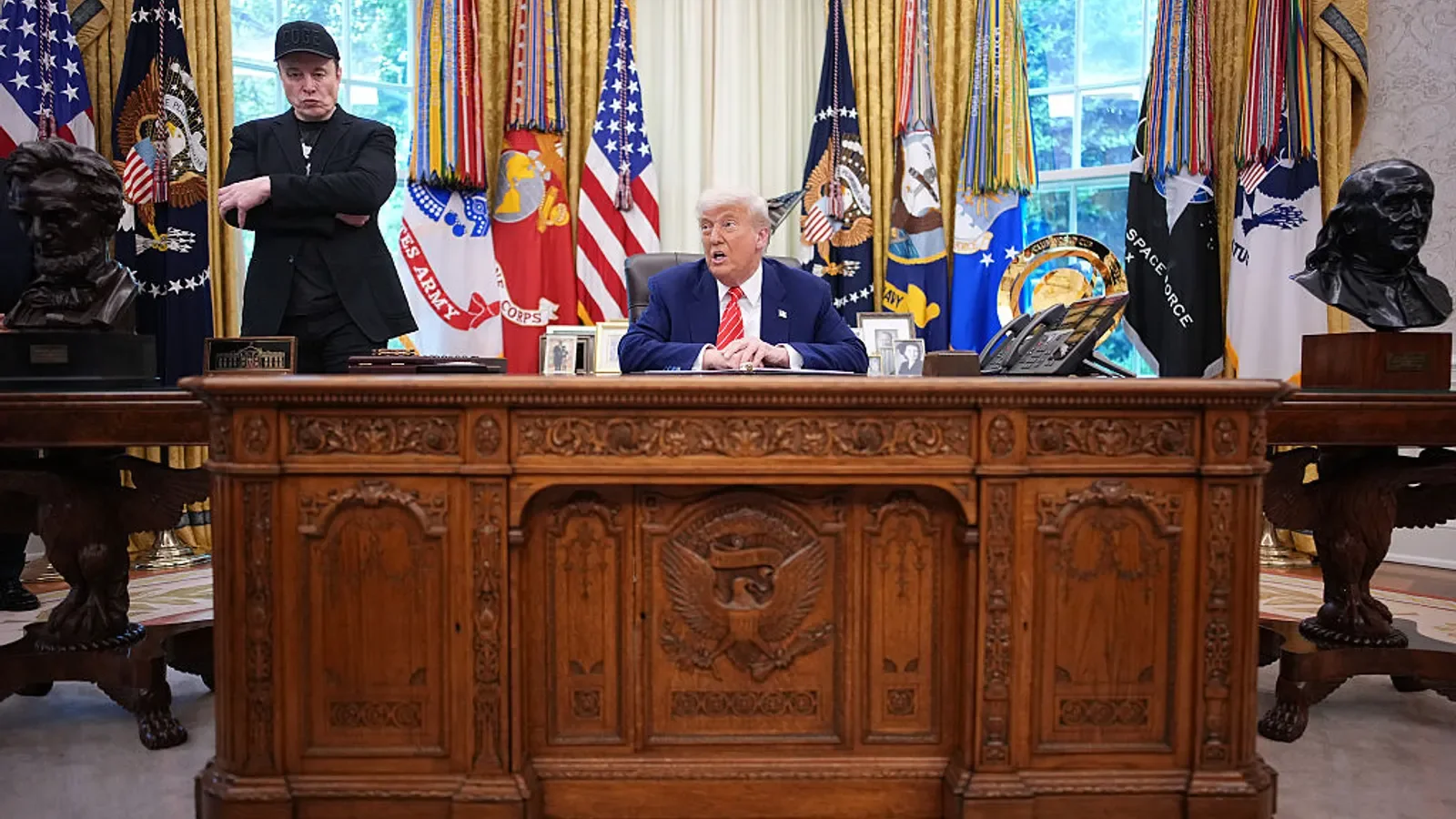
Effective November 1, all recipients of grants from the U.S. Department of Education will need to submit written justifications to access pre-approved funds, according to a memo issued by the agency on September 28. This initiative aims to bolster accountability and transparency in managing taxpayer funds.
Origins of the Initiative
The directive stems from a 2025 executive order by President Donald Trump, designed to streamline government spending oversight under the Department of Government Efficiency, often referred to as DOGE. This push for greater fiscal oversight has been part of a broader effort to minimize waste and ensure that federal funds reach their intended targets. By mandating that grantees provide detailed rationales for each payment request, the Education Department hopes to enhance fiscal responsibility. The task of safeguarding taxpayer money has become increasingly critical, as the public demands more accountability from government bodies, especially in education.
Details on the New Process
According to Murray Bessette, the acting assistant secretary for the Office of Planning, Evaluation, and Policy Development, each funding request must include specific details: program names, categories and amounts of expenses, as well as the timelines for each expenditure. This requirement not only aims to tighten control over how federal funds are used but also places the onus on grantees to articulate the value they’re delivering with taxpayer dollars. Notably, justifications will be capped at 255 characters to ensure clarity without unnecessary narrative. The brevity requirement seems aimed at avoiding verbose explanations that could obscure key points, and Bessette describes this measure as one that enhances oversight while minimizing the administrative load on grantees. However, the reality of squeezing complex budgets and project needs into such a limited space could prove challenging.
Impact on Grantees
This mandate extends to all types of education programs, affecting early childhood education, K-12, higher education, and adult education grants. While the intention is to fortify financial oversight, concerns have emerged among educational administrative groups about potential delays in fund disbursement. For many programs, timing is critical; delays could hinder educational progress.
Sasha Pudelski, director of advocacy for AASA, The School Superintendents Association, voiced apprehension regarding the extra administrative work this new requirement could entail for state agencies and school districts. Since federal education funds are accessed through state agencies, the need for detailed justifications could complicate the already intricate process of managing these funds. Essentially, this adds another layer to what is already a convoluted system, leading many to question whether the increase in oversight truly justifies the anticipated delays.
Pudelski also pointed out that many existing accountability measures—like extensive audits, budget approvals, and fiscal reviews—already ensure oversight. Thus, she argues that the additional paperwork could unnecessarily burden educators and administrators, detracting focus from essential teaching and learning activities. If you're working in this space, you know that any extra administrative burden can displace hours that could be spent on classroom activities. The impact on student experiences might be profound.
Concerns from Advocacy Groups
The National Association of State Directors of Special Education has also expressed concerns, indicating that this requirement will affect all students in schools, particularly those with disabilities who rely on timely federal services under the Individuals with Disabilities Education Act (IDEA). Timely access to these funds isn’t just an administrative issue; it’s about students getting the support they need when they need it. Any disruption could have significant implications, affecting both the quality of education and compliance with legal obligations.
Delays in federal fund disbursement could jeopardize the provision of free and appropriate public education (FAPE), a situation that is particularly critical for students in private schools receiving public funding. Advocacy groups worry that the additional paperwork could systematically lead to delays that undermine educational equity, especially for vulnerable populations who are already at a disadvantage.
Department's Justification for the Change
Despite these concerns, a senior official from the Education Department indicated that establishing an email-based clarification procedure for spending justifications previously contributed to unnecessary delays in fund distribution. In contrast, the new process aims to streamline procedures. However, this viewpoint raises questions. Are we genuinely streamlining processes, or are we simply shifting the delays from one part of the system to another?
The official highlighted that several other federal agencies already implement written justification requirements for fund drawdowns, suggesting that this is a standard practice across the government. For example, the Department of Labor, which oversees grants for career and technical education, has seen minimal payment flags requiring further explanation under a similar system. If these practices are so effective elsewhere, why might the Education Department present a unique case, particularly regarding the scale and complexity involved in education funding?
While the character limit for justifications is shorter compared to some other agencies, the Education Department is committed to supporting grantees during this transition. They will provide guidelines and resources to help with the submission of these justifications, ensuring a smoother implementation process. However, the success of these measures is contingent on how well the Department actually delivers on this support. Implementation doesn’t always match up to intent.
Future Implications
As the Education Department rolls out this new protocol, grantees will need to adapt to these requirements, which could lead to increased scrutiny over how federal education funds are utilized. The long-term effectiveness of this change in enhancing accountability versus imposing additional burdens remains to be seen. More importantly, will this initiative bear fruit in the form of increased fund efficiency, or will it bog down agencies struggling to keep up with both compliance and curriculum delivery? This is more significant than it looks; the stakes involve not just dollars but the very quality and accessibility of education itself. As educators brace for this shift, it's critical that oversight mechanisms don't inadvertently harm the very students they aim to support.

Discussion
Sign in to join the discussion.