Revamping onboarding sessions can enhance educator engagement and learning, moving beyond mere presentations to meaningful interactions.
Facilitating successful educator onboarding can feel like navigating a minefield of presentations that often bore rather than inspire. As schools and universities prepare for the academic year, it’s essential to create gatherings that prioritize interaction and real learning above all else. In my experience leading onboarding for approximately 125 Undergraduate Learning Assistants (ULAs) annually, I've seen first-hand how shifting from a conventional approach to one focused on engagement can transform the experience for all involved.
Rethinking Objectives through Intentional Design
Consider what you genuinely want attendees to gain from your meetings. The use of backwards design principles—typically seen in educational settings—applies equally to staff gatherings. If your primary goal is information dissemination, it may be unnecessary to convene in person. Instead, well-crafted emails or concise video messages might suffice. However, if interaction and practical application are key, tailor your sessions to foster skills development and hands-on activities.
Transitioning from Information Dump to Practical Engagement
Educators, particularly ULAs, must familiarize themselves with various campus policies and offices, from the Care Team to FERPA compliance. Traditionally, onboarding involved inviting representatives from these areas for a brief overview, which often led to one-way communication. This incidentally turned valuable time into a passive learning experience, where ULAs sat through an effective but unengaging “presentation parade.”
To enhance engagement, we shifted to a case study based approach, using small group discussions. Each group tackled a specific campus unit or policy, exploring its relevance through hypothetical scenarios. By assigning specific tasks and promoting dialogue, we fostered a more dynamic environment where ULAs could ask pertinent questions and reflect on their newfound knowledge. A concise handout summarizing the key points ensured that essential information was retained for future reference.
Modeling Desired Behaviors
The irony of long lectures on active learning is palpable to many educators. To counter this, it's vital to embody the very practices we advocate. During our onboarding, experienced ULAs supported small group discussions, illustrating active engagement strategies such as checking for understanding and encouraging diverse participation. This not only offered current ULAs a model to follow but also prompted them to recognize these techniques in practice, enriching their own future classroom interactions.
Even if ULAs had previously observed these strategies as students, their true significance often goes unnoticed. By actively integrating reflection on our methods during the onboarding process, we initiated genuine conversations about the inclusive and engaging teaching methodologies that ULAs are expected to promote in their respective courses.
Creating a Community-Centered Gathering
To cultivate a learning-centric environment, it’s fundamental to embody the ideals we expect from our educators: flexibility, inclusivity, and humanity. Planning thoughtful gatherings involves addressing logistical details that ensure educators can engage fully. This includes providing a comprehensive agenda with clear goals, details about the meeting space, and accommodating different modalities, such as hybrid formats for those unable to attend in person.
- Share the agenda in advance, ideally a week ahead, to allow educators to prepare mentally and logistically.
- Detail essential logistical information: how to access the venue, room locations, available amenities like outlets, and restroom access.
- Plan sessions that are mindful of timing, capping them at one hour and incorporating regular breaks to maintain engagement.
- When organizing refreshments, be explicit about dietary accommodations to foster inclusivity.
Such practical considerations illustrate a commitment to care for educators, enhancing their overall experience and allowing them to be fully present.
Moving Beyond Information Delivery
The pivotal shift I experienced was realizing that onboarding should not merely be about "delivering information" but about creating a space to "model learning." Our ULAs departed not just with informational handouts but armed with useful habits that can be incorporated into their practice. This invites all of us to design our gatherings to reflect the kind of learning experiences we aspire to promote.
Reflections for Future Improvements
- Examine how effectively the activities in your onboarding correlate with your objectives. Which elements might be unnecessary and merely performative?
- Consider what classroom strategies you want your educators to adopt, and reflect on how you can showcase these methodologies during onboarding.
- Contemplate the type of planning and information dissemination that would exemplify the inclusive, community-centric practices vital to a thriving educator ecosystem.
By placing emphasis on active engagement and thoughtful design, onboarding can transform from a mundane routine into an enriching experience that resonates with the core mission of fostering effective education.
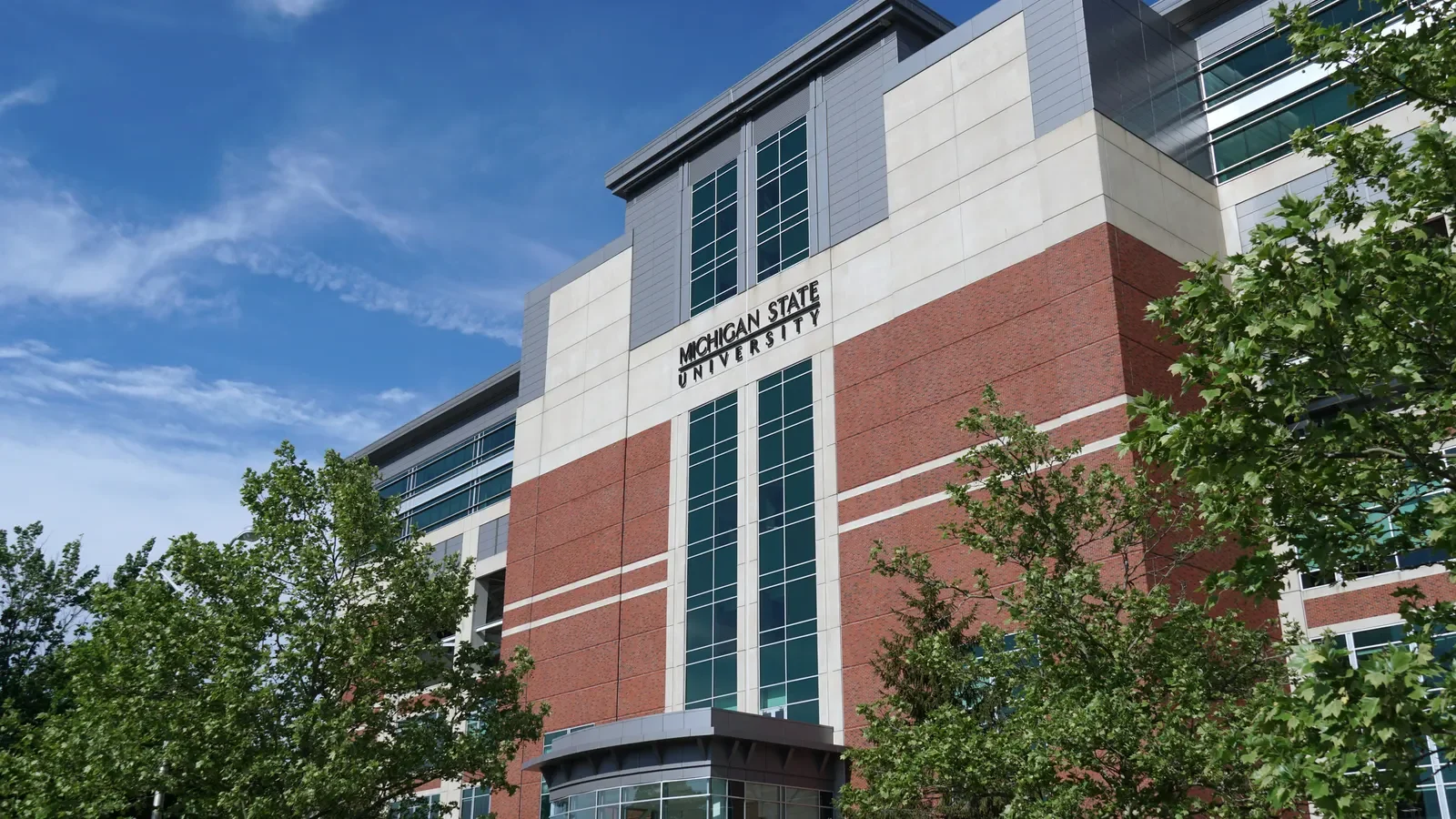
Dr. Rachel Barnard, an educator at Michigan State University, specializes in supporting Undergraduate Learning Assistants in STEM courses, focusing on educator development, inclusive teaching methodologies, and cultivating effective learning environments.
Discussion
Sign in to join the discussion.