Chicago's recent New Pathways event highlighted innovative approaches in education, emphasizing entrepreneurship and the arts for student preparedness.
By: Getting Smart Staff
At the most recent New Pathways event, held in Chicago, an array of educators, school leaders, and creative thinkers gathered to examine how educational institutions can better equip students for their futures. With a focus on the vital domains of entrepreneurship and the arts, the event showcased initiatives aimed at enriching the student experience. The emphasis on these areas reflects a growing recognition that traditional academic pathways alone won't suffice in preparing students for an increasingly competitive job market.
Hosted by Getting Smart, the event featured influential speakers, including keynote Kara May from Art in Motion, along with various panelists from organizations like Future Founders and Lincoln Lodge Comedy Club. Participants engaged in discussions exploring entrepreneurial mindsets, creativity in learning, and the intersection of comedy with education, illustrating diverse pathways to student engagement. This blend of artistry and entrepreneurship signals a forward-thinking approach that acknowledges the multifaceted talents of students.
Academy for Global Citizenship
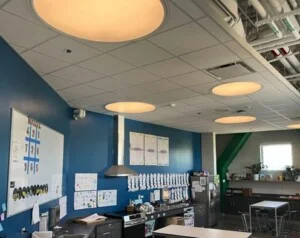
The Academy for Global Citizenship, a K-8 public charter school, stands as a beacon in the Chicago Public Schools system, serving over 500 students with a unique bilingual immersion program. Focusing on holistic education, AGC thrives despite overarching enrollment trends impacting larger districts, thanks to its commitment to sustainability and community. Its mission extends beyond basic academics, striving to develop socially responsible global citizens through a curriculum that prioritizes environmental stewardship.
Organized into "Villages," AGC's instructional approach emphasizes collaboration and responsibility from a young age. This framework encourages students to take ownership of their learning experiences. Students partake in practical activities, such as gardening and cooking, within classroom structures designed to promote environmental responsibility. Notable for achieving the Living Building Challenge designation, AGC not only meets energy neutrality but actively contributes back to the power grid. Such achievements are more than just accolades; they serve as a model for sustainable practices in educational settings.
Oak Park and River Forest High School
Just outside Chicago, Oak Park and River Forest High School serves about 3,900 students, fostering an environment rich in creativity and entrepreneurial spirit. The school’s curriculum connects students' personal interests with real-world opportunities, particularly through programs like Uncharted Learning’s INCubatoredu. Here, students refine their business pitches by researching markets and analyzing competitors, pushing the limits of their initial concepts. This approach not only enhances student engagement but also cultivates valuable life skills that go beyond the classroom.
Projects at Oak Park illustrate students’ innovative thinking, with ideas ranging from streetwear-inspired ski gear to AI applications in sports highlight reels. Culinary students likewise gain practical skills through the operation of a small restaurant, embodying the school’s philosophy of hands-on learning. The synergy between student engagement and instructor guidance creates an educational atmosphere where students flourish as problem-solvers and creators. This balance is essential, as the real world doesn’t separate academic theory from practical application.
Fenton High School
Fenton High School, situated less than ten miles from O’Hare Airport, serves a culturally diverse student body of over 1,200. Committed to creating a variety of learning experiences that resonate with students’ interests, Fenton offers advanced placement courses and work-based learning opportunities, allowing students to connect with local businesses. This connection to the community gives students a practical perspective on their education, bridging the gap between classroom knowledge and real-world application.
As part of its evolving educational offerings, Fenton is starting to implement Uncharted Learning's INCubatoredu program. Superintendent Dr. Jason Klein emphasizes the importance of community collaboration in enhancing learning experiences, noting a shared commitment among educators and local business leaders to tailor education so students are prepared for a quickly changing world. This kind of localized effort can make a significant difference in how students engage with their studies.
The lively discussions among panelists highlighted a willingness to innovate educational approaches. This isn't just about keeping up with trends; it's about shaping a learning culture that empowers students. Participation from students, educators, and community members underlined a collective vision for a learning environment that fosters adaptability and creativity, preparing students for future challenges. Change won't happen overnight, but this dialogue is a step in the right direction.
Implications and Future Outlook
The discussions at the New Pathways event reflect a transformative moment in education, where traditional frameworks are being re-examined and adapted. If you're working in this space, the push for integrating creativity and entrepreneurship into curricula is more significant than it looks. This isn't merely an enhancement; it addresses fundamental shifts in workforce demands globally.
As educational institutions embrace these changes, the methods by which students learn will evolve, empowering them with skills that transcend textbooks. The emphasis on community collaboration indicates a shift toward collective responsibility—not just for educators but also for local businesses and families. With economic disparities looming large, these initiatives may prove critical in leveling the playing field for students from diverse backgrounds.
However, the road ahead won't be easy. Schools must contend with resistance to change, funding hurdles, and inherent limitations in the current educational frameworks. Balancing innovation with accountability will be essential. But through collaboration, experimentation, and a commitment to ongoing dialogue, there's a pathway toward a more engaging and relevant educational experience for future generations.
The post Chicago's Educational Ecosystem: Fostering Entrepreneurship and Creative Skills appeared first on Getting Smart.
Discussion
Sign in to join the discussion.