October brought college leadership changes shaped by interim appointments, financial strain and unanswered questions about abrupt presidential departures.
A month of leadership exits and uneasy handoffs at U.S. colleges
Several October appointments came with a catch: interim leaders, financial pressure or unresolved questions about why a president left. That makes this month’s changes more than a routine list of hires and departures. For colleges facing scrutiny or restructuring, who takes over—and what they inherit—matters as much as the announcement.
The Leadership Ledger is a monthly roundup of noteworthy college leadership changes across the country. This edition includes new leaders in Georgia and Wisconsin, two sudden departures at private universities, and a Colorado president preparing to leave after nearly two decades in the state university system.
Georgia turns to an executive from outside higher education
The University System of Georgia’s board confirmed former utility executive Thomas Fanning as its next chancellor on Oct. 1. Fanning was the only finalist and is scheduled to start Jan. 1, succeeding Sonny Perdue. It will be his first higher education post after more than 40 years in leadership roles at Southern Co.; he retired in 2023. The system announced Fanning’s appointment.
That choice fits a pattern at USG: Perdue also came from outside academia, after a long political career. He announced in April that he planned to retire. During his tenure, which began in 2022, Perdue appointed 14 presidents across the system’s 25 colleges, while fall enrollment repeatedly set records. His final day is Dec. 31.
Gannon’s leadership change lands during a merger and cuts
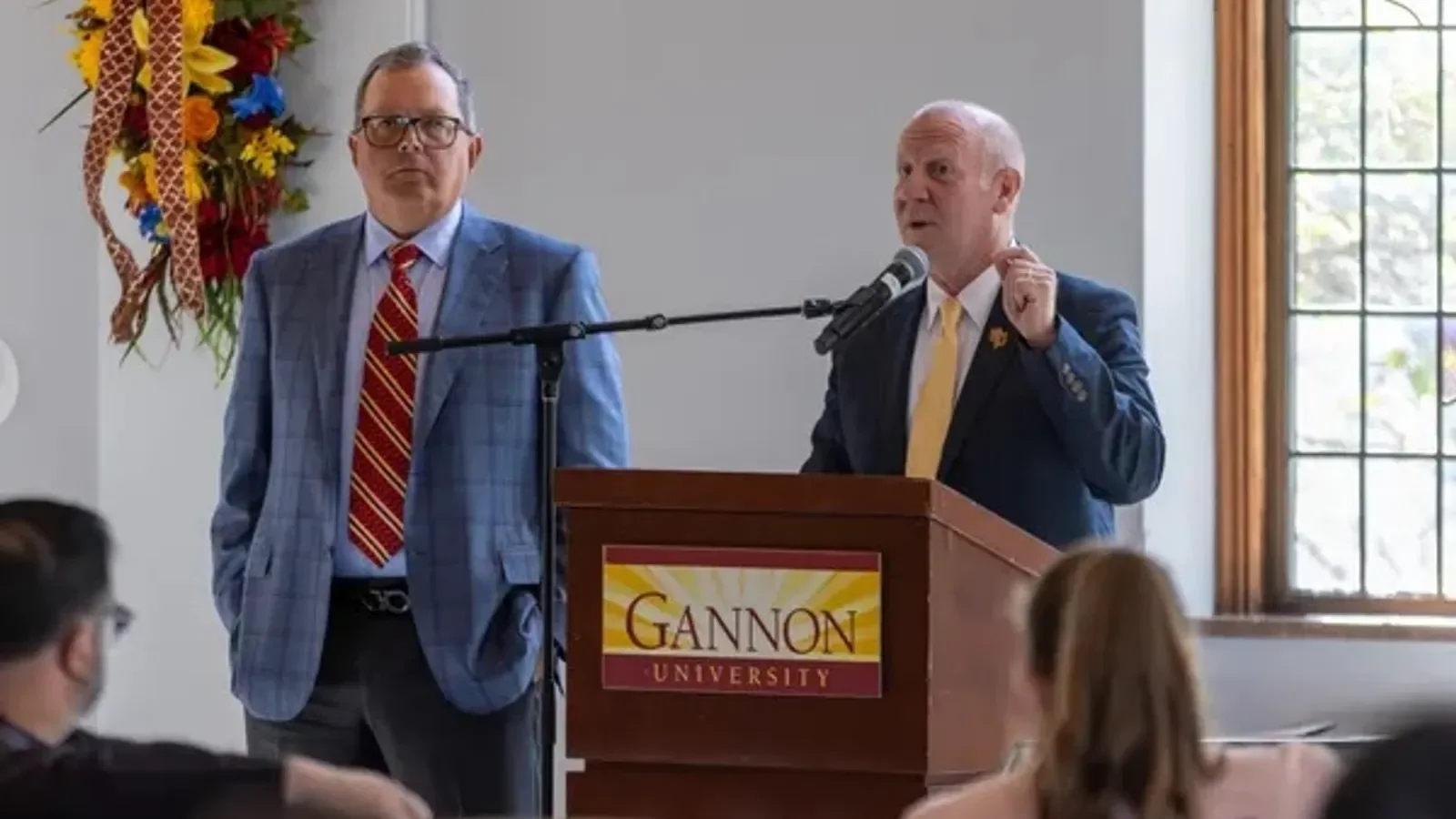
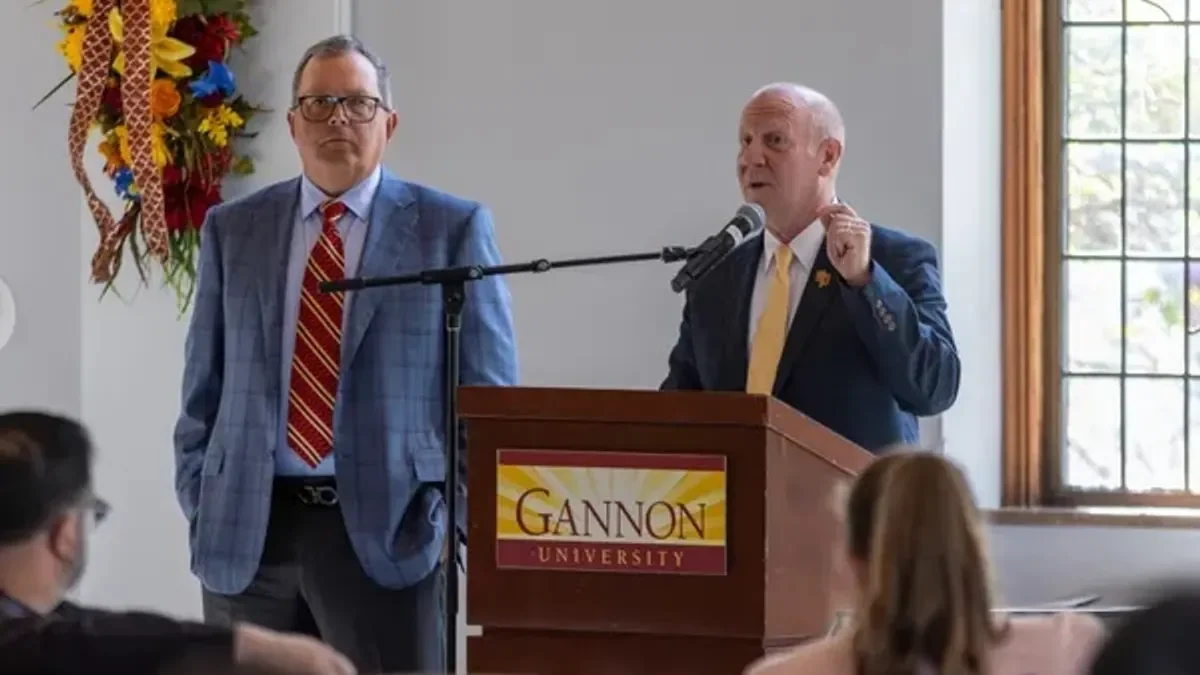
Walter Iwanenko left the Gannon University presidency effective Oct. 8, the Pennsylvania university said the following day. His departure comes as Gannon works to acquire nearby Ursuline College, a merger between two Catholic institutions expected to be completed by mid-December. Iwanenko had said he was committed to seeing the deal through. “Now that it is nearly done, I am stepping down to pursue other opportunities,” he said.
Keith Taylor, who led Gannon for more than a decade previously, took over on Oct. 8. The board described his appointment as temporary: Taylor will guide the university through the transition while it searches for a permanent president. Soon after returning, he said Gannon was preparing to reduce its workforce amid falling enrollment and a wider restructuring, according to Erie News Now.
Two presidents leave private universities abruptly
Texas Christian University Chancellor Daniel Pullin resigned on Oct. 22, less than two years into the job. The news came in a campus email from Victor Boschini, who led TCU for more than two decades before leaving in 2025. The board has appointed Boschini to lead the university again. The email offered no explanation for Pullin’s departure, leaving the reason unclear.
At Bard College, the board named Marvin Krislov its next president on Oct. 29. Krislov leads Pace University and previously headed Oberlin College. After a unanimous vote, Bard’s board signed him to a three-year contract beginning July 1. Bard announced the appointment as it continues to face scrutiny over the leadership crisis surrounding its longtime president, Leon Botstein.
Botstein resigned this summer after intense attention to his professional relationship with Jeffrey Epstein and Epstein’s involvement with Bard. He had led the college for five decades. Longtime senior administrator Jonathan Becker has been acting president. Botstein initially retained other Bard roles, including a professorship, but stepped down from those positions this month after Democratic lawmakers made new allegations that he may have directly participated in Epstein’s abuse and exploitation of victims. Botstein denies the allegations.
Colorado State faces a costly transition
Amy Parsons said in an Oct. 28 campus letter that she will leave the Colorado State University presidency on Dec. 31. A CSU alumna, Parsons became president in 2023 after nearly two decades in senior roles across the CSU system.
System Chancellor Tony Frank credited Parsons with raising CSU’s national profile and expanding student access initiatives. The successor search is set to begin in spring, led by Rico Munn, who is expected to become system chancellor in mid-2027. Rick Miranda, a longtime faculty member who served as interim president in 2022, will again become acting president in January.
The handoff comes as CSU faces financial strain. Colorado’s fiscal 2027 budget held higher education funding flat and limited public colleges’ in-state tuition increases to 3.5%. CSU plans to remove about $39 million from its budget next year through layoffs and other measures.
Wisconsin appoints a permanent system leader
Tonjanita Johnson, a senior administrator in the University of Alabama system, will lead the Universities of Wisconsin starting at the beginning of the new year. The board selected her unanimously on Oct. 30. She will be the system’s first permanent president since trustees removed Jay Rothman in April. The board announced Johnson’s selection.
Rothman said the board gave him a choice: resign or retire by year’s end, or be fired. He refused, saying the board had not explained why it wanted him out. The board’s president challenged that account, saying Rothman “was not without notice, nor was this process sudden.” The two versions leave the circumstances of his departure contested.
Discussion
Sign in to join the discussion.