Hilton's Undergraduate brand is on track to grow significantly, targeting over 500 hotels in college towns through innovative development strategies.
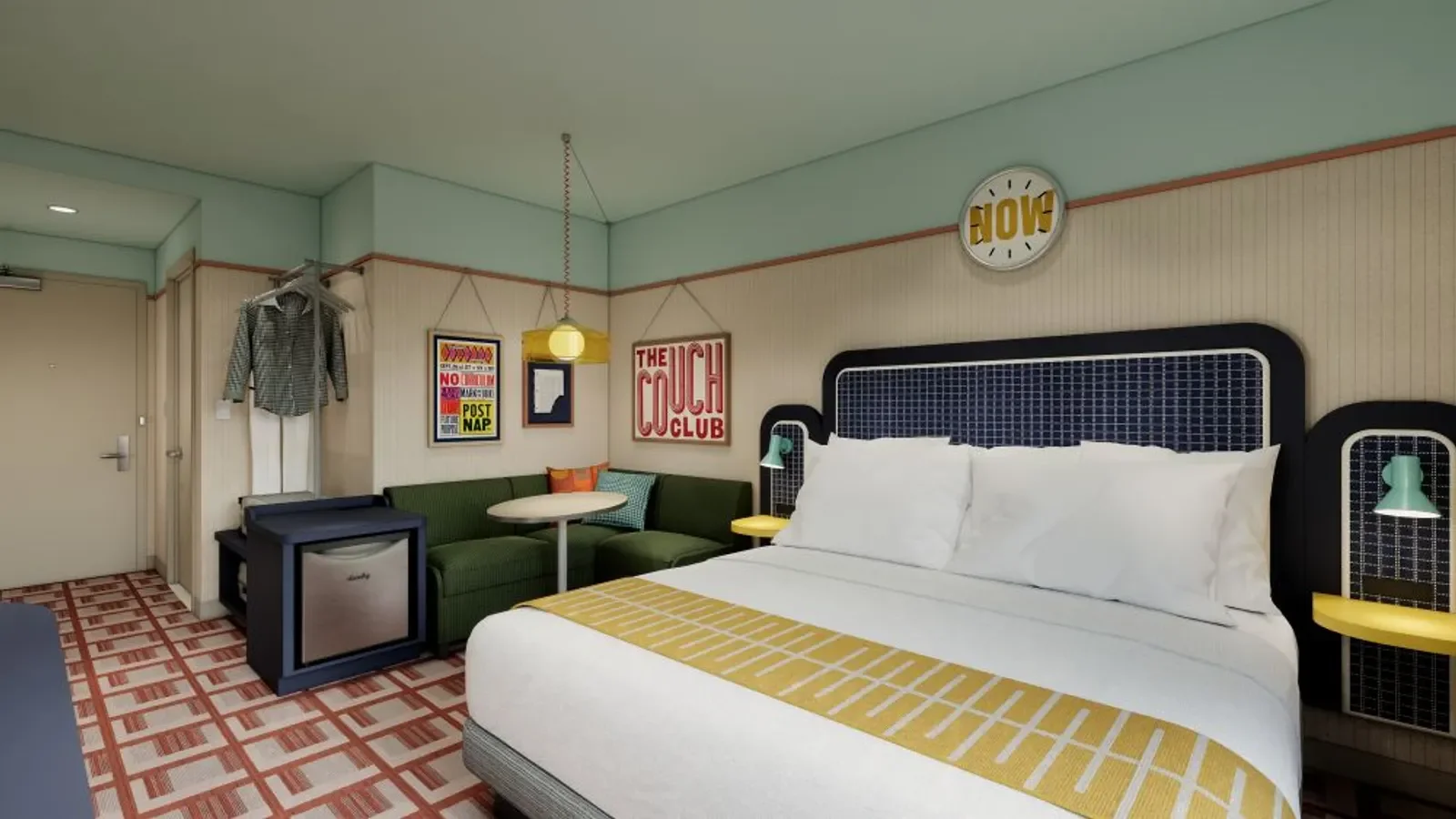
Hilton's Undergraduate brand is gathering momentum less than four months post-launch, showing a keen interest from developers and an exciting new-build prototype. This brand caters to college markets with a focus on creating “off-campus social hubs,” and it's designed to be an accessible alternative to Hilton's Graduate brand. By tapping into the needs of students and young professionals, Hilton seems to be positioning itself well to thrive in a competitive landscape.
Growth Trajectory and Development Strategy
When the Undergraduate brand was revealed in June, Hilton executives projected considerable growth. According to Jenna Hackett, plans are in place to have more than 500 Undergraduate hotels operational within the next 10 to 15 years. This ambitious target reflects Hilton's confidence in the potential of college markets, which continue to grow as student populations swell and university towns evolve. Current developments are at various stages, yet the first hotel location is still pending announcement and expected to debut in 2027.
This timeline might seem far off, but it signals Hilton's calculated strategy. You're looking at a gradual establishment aimed at not just quick wins but also sustainable growth. The flexibility of the Undergraduate brand particularly appeals to hotel owners and alumni with existing assets in college towns. That’s where it gets interesting: the brand offers a collaborative opportunity to integrate elements that resonate with local university culture while adhering to a simpler operational structure compared to the higher-end Graduate brand. This synergy could lead to innovative partnerships that could energize local economies.
Undergraduate vs. Graduate: Distinct Offerings
The Undergraduate model stands apart from Graduate, which caters to a luxury and hyper-local experience. While Graduate hotels deliver a tailored ambiance reflective of premium college towns, Undergraduate's approach is more utilitarian and practical, designed for scalability without compromising customer experience. The idea is to create a welcoming environment for those looking for comfort, connection, and a good night’s sleep—on a budget.
Hackett also pointed out that Hilton’s approach factors in local university characteristics, such as size and demand dynamics, to determine the most suitable brand for each location. This decision-making process ensures that their offerings are not only relevant but also have the best chance of success. It allows Hilton to be adaptable; if you're working in this space, understanding local needs could make or break a hospitality venture.
A Competitive Edge in College Towns
By maintaining both Undergraduate and Graduate in its portfolio, Hilton can strategically navigate the expanding college town hospitality market. Hackett mentioned that there aren’t any prototypes as flexible and targeted as Undergraduate in today’s market, which speaks volumes about the potential competitive advantage Hilton could gain. This allows hotel owners creative liberty to reflect local flair—think university colors and memorabilia incorporated into design elements. This localized touch could be what draws in students and families alike.
What's more, the Undergraduate model promises lower construction and operational costs, appealing to budget-conscious developers. This lower cost approach is significant—developers are always looking to maximize returns, and a streamlined operational model can certainly help with that. While food and beverage options are included, the offering is streamlined, featuring an all-day market with grab-and-go selections, contrasting with Graduate's full-service dining experience. This could be a decisive factor for visitors who prioritize convenience over luxury.
Conversion Strategy and Future Prospects
Conversion opportunities are paramount for Hilton as both Undergraduate and Graduate are designed to facilitate asset transformations. This strategy aligns well with Hilton's overall success, as evidenced by the significant portion of conversion openings in Hilton’s portfolio. In fact, over 40% of Hilton's new properties in 2025 were conversions. This is more significant than it looks; converting existing properties can dramatically reduce the time and cost associated with new builds, allowing Hilton to widen its footprint much faster.
Hackett shared that lifestyle brands, including Undergraduate, are increasingly undergoing conversions, with more than half of their lifestyle openings in 2025 alone being transformations of existing properties. This trend shows the adaptability required in today's ever-changing hospitality sector and reflects a broader industry move towards efficiency and sustainability.
As Hilton navigates this dynamic market, Undergraduate and Graduate are positioned to thrive alongside emerging competitors in college hospitality, such as Alum and Travel + Leisure Co.’s Sports Illustrated Resorts. This suggests that the competition won't just come from traditional hotels but also innovative newcomers poised to attract the same demographic. Indications are that the hospitality sector is ripe for expansion, but it comes with competition that can't be ignored.
Implications for the Future
What this means for you as a potential investor, developer, or simply a market watcher is clear: Hilton's multi-faceted approach is setting the stage for a significant evolution in college town hospitality. With two distinct offerings, it can meet the varying demands in the market while tapping into an expanding consumer base. As college towns evolve and student populations rise, there's a substantial opportunity for growth and innovation.
This strategic positioning not only reflects Hilton's understanding of market needs but also highlights how important adaptive strategies are in the hospitality sector. As competition increases and consumer preferences shift, the companies that manage to innovate while staying true to their core offerings are likely to come out on top. For Hilton, the stakes are high, and the execution will be key.

Discussion
Sign in to join the discussion.