The Evolving Role of Supplemental Essays in College Admissions
RELEASE Oct 13, 2026VIEWS 739DESK Laura Spitalniak
University leaders discuss how supplemental essays impact the admissions process and the balance between thorough evaluation and administrative efficiency.
Assessing Supplemental Essays in the Admissions Process
Navigating the admissions landscape has become increasingly intricate, especially in a time when technology and artificial intelligence (AI) are reshaping traditional practices. At the recent National Association for College Admission Counseling (NACAC) conference in Minneapolis, university leaders exchanged perspectives on the role of supplemental essays. They addressed how these additional materials affect application evaluations amid a changing technological backdrop.
The conversation at NACAC illustrated a broader trend in admissions: the need to balance thorough evaluation against the administrative burden placed on both applicants and admissions staff. Take, for instance, the divergent approaches of Rice University and the University of Michigan (U-M). While Rice, a private institution with an acceptance rate of just 8% for the 2024-2025 cycle, employs three supplementary writing prompts that encourage applicants to share their community contributions, U-M is known for its more extensive requirements. Applicants to U-M must tackle a total of three essays, including both Common App prompts and additional U-M-specific questions.
Rice's Charles Murphy, the university's executive director of admissions, emphasized the importance of not overwhelming applicants with complex requirements that could deter promising candidates. To present a fair application, he has noticed calls from students for broader word limits in responses—illustrating the fine line institutions must walk between thoroughness and accessibility. For Murphy, the effectiveness of application supplements lies in their ability to reveal genuine candidate qualities rather than merely assessing their writing skills.
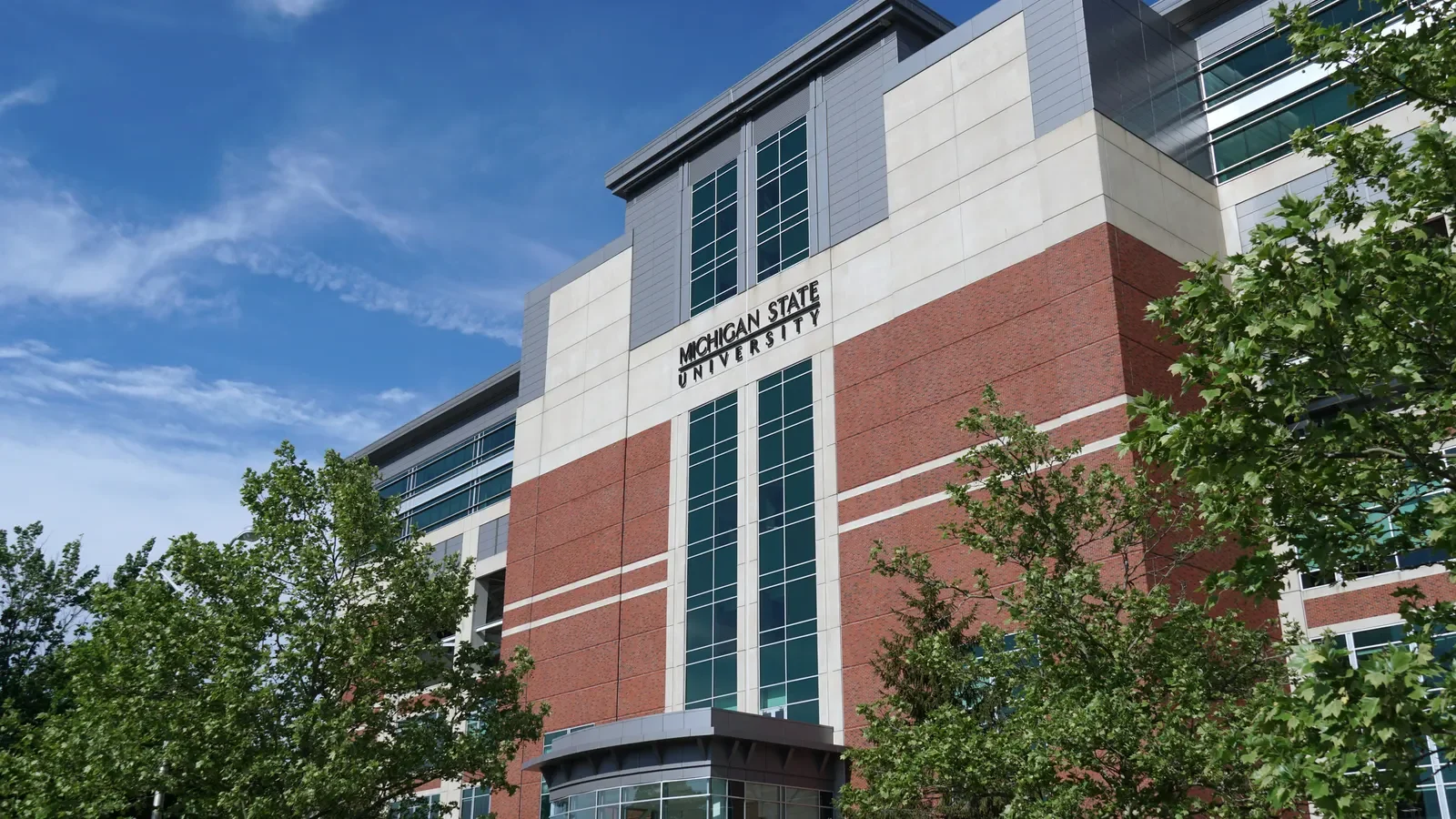
On the other hand, U-M’s director of undergraduate admissions, Blaire Moody Rideout, highlighted a growing challenge: managing a flood of applications without sacrificing the quality of evaluation. Reviewing these essays, which total up to 1,750 words, demands extensive resources. U-M hires a significantly larger team of readers—125 to 150 part-time evaluators—compared to past years, and she estimated the cost at approximately $500,000. Despite these burdens, Moody Rideout remains steadfast in her belief that the insights gained from supplemental materials are invaluable for understanding candidates beyond mere grades.
However, even adaptation is on the horizon. The University of Georgia has decided to eliminate the supplemental essay requirement starting with the fall 2027 admissions cycle, citing logistical issues and a doubling of applications over the past eight years. David Graves, the executive director of undergraduate admissions, noted that their analysis indicated these additional essays weren't providing sufficient additional insight to merit their inclusion in the application process, thereby aiming to ease the evaluative task for admissions staff.
The dialogue surrounding supplemental essays raises fundamental questions about their effectiveness in a rapidly evolving admissions environment. As AI continues to influence candidate evaluations, admissions professionals need to assess not only the workload imposed by these requirements but also their relevance and impact on the application experience. This ongoing conversation reflects a critical inflection point for higher education institutions looking to holistically review applicants without sacrificing accessibility or thoroughness in their assessments.
Final Thoughts: Navigating the Future of Admissions
As we reflect on the evolving dynamics of college admissions, one point stands out: the role of supplemental essays is under scrutiny. This isn't merely a trend; it signifies a deep-seated shift in how institutions perceive the value of student narratives. While some experts advocate for their inclusion, arguing that these essays unveil critical insights into a student's personality, others push back, citing equity concerns and the stress they add to already anxious applicants.
Here's the thing: the debate isn't just academic; it's a reflection of broader societal values. Many colleges are reconsidering their approaches to admissions processes amid rising awareness of mental health issues and inclusivity. If you’re involved in higher education or student services, this nuanced discourse around essays demands your attention. It tells us that universities are trying to balance tradition with a modern understanding of student experiences.
What does this mean for prospective college students? The landscape is shifting, and flexibility, adaptability, and authenticity in their applications could become more significant. It doesn't just challenge the old guard—it opens the door for universities to rethink what they value most in candidates.
As we look ahead, it’s clear that the intersection of technology, admissions processes, and ethical considerations is in flux. For those in the tech space working on platforms that support student applications, keeping abreast of these trends is vital. Your innovations could very well shape how future admissions practices are conducted. In an era where authenticity and fairness are paramount, the next steps taken by educational institutions will resonate well beyond the classroom walls.

Discussion
Sign in to join the discussion.