Penn State plans to cut 47 undergraduate programs due to low enrollment, as part of a broader review aimed at aligning academic offerings with student demand.
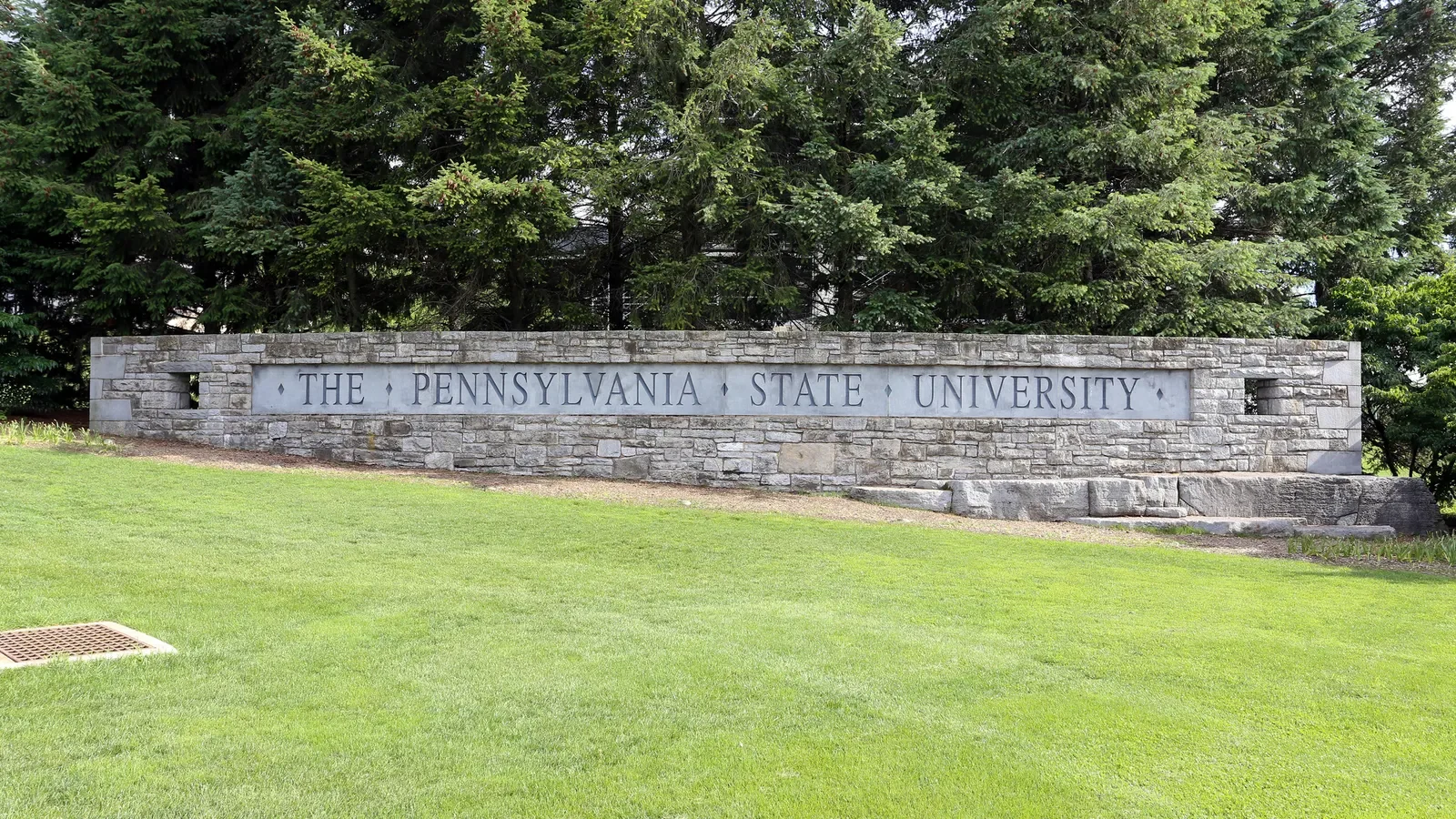
Pennsylvania State University is set to eliminate 47 undergraduate degree programs following an extensive evaluation of its academic offerings. The proposal, recently approved by university administrators, comes as a direct response to diminishing student enrollment and interest over recent years.
Proposal Details
- Penn State’s administration identified the 47 programs after reviewing the institution’s 403 associate and bachelor's degrees. These programs collectively account for about 1.1% of the university's 68,000 undergraduate students.
- Alarmingly, nine of the proposed programs currently have no enrolled students, raising questions about their viability. This lack of enrollment suggests a disconnect between the programs’ offerings and the interests of prospective students, which could be indicative of broader trends in job market demands.
- The final recommendations are set to be submitted to the Faculty Senate for consideration prior to final approval from the university’s provost. Plans to phase out the impacted programs will be developed over the coming semesters, ensuring that the transition is handled with a degree of caution and foresight.
Rationale Behind Cuts
The driving force behind these cuts stems from low demand, a trend that's echoed across many academic institutions recently. This isn't an isolated issue; many universities face similar pressures as enrollment numbers continue to dwindle in certain fields. Feedback from a variety of stakeholders—including university officials, deans, chancellors, faculty, staff, students, and external consultant Hanover Research—has shaped this decision, further emphasizing the importance of community input in program evaluations. This engagement signals a shift toward more inclusive decision-making processes that acknowledge the needs and opinions of various university constituents.
The diversity of the proposed closures ranges from specialized fields like professional photography to traditional studies such as astronomy, affecting degrees at multiple regional campuses. The decision to cut programs that may seem niche or esoteric reflects a pragmatic approach to resource allocation. Importantly, around half of the eliminated programs will still be available at other Penn State locations, which softens the blow for students currently enrolled in these areas and demonstrates the university's commitment to not entirely abandoning these academic pursuits.
A Broader Trend in Higher Education
This move aligns with a growing nationwide trend where universities are cutting academic programs that fail to attract sufficient student numbers. For context, Syracuse University announced the elimination of nearly 100 programs last spring due to low enrollment, while East Carolina University similarly cut around 44 programs for not meeting expectations. Such decisions reflect a critical and often painful reassessment within the higher education landscape, as institutions strive to balance educational offerings with fiscal prudence.
Penn State plans to adopt a proactive approach to its academic offerings, indicating an ongoing commitment to assess programs regularly in response to changing student interests and workforce demands. As stated by Provost Fotis Sotiropoulos, "Regular program reviews will help us to be nimble and responsive to the realities of changing demographics and rising costs." This strategy doesn't just apply here; similar institutions are looking at how to remain viable while catering to the next generation of students. The university is also set to reconsider an estimated 70 additional programs next year, identifying those in need of further evaluation while promoting over 50 other programs deemed strategic growth opportunities in fields like data science and cybersecurity. This suggests a possible pivot towards areas with higher job placement rates, reflecting the shifting priorities of both students and employers.
Implications and Future Outlook
The decision by Penn State to eliminate these programs isn't just an operational change; it's a reflection of broader market dynamics affecting the entire higher education sector. If you're working in this space, understanding the implications is critical. Reduced offerings may streamline the university's focus, but they also pose risks. What happens to students who are invested in these programs? There's a balance to strike between responsiveness to market demands and the value of traditional studies. This could provoke discussions about what constitutes a "useful" education.
This move also opens up a vital conversation about the future of higher education as institutions grapple with the dual challenges of attracting students while maintaining rigorous academic standards. Are degrees in traditional fields becoming obsolete? Or are they simply evolving in ways we haven't fully grasped yet? As universities like Penn State reassess their offerings, this recalibration could shape educational policies for years to come. If universities continue to close programs at this rate, there may be fundamental shifts in how degrees are perceived and what students actually want to study.
Conclusion
As higher education institutions grapple with evolving market dynamics, Penn State's decision to cut these 47 programs illustrates a critical reassessment of academic offerings aimed at optimizing resources and better serving student needs. By reorganizing its program structure, the university aims not just to streamline its offerings but also to ensure alignment with workforce requirements and academic demand. This realignment may well dictate not just enrollment numbers, but also the relevance and future success of the academic institution.
Discussion
Sign in to join the discussion.