Adapting International Student Recruitment Strategies Amid Enrollment Challenges
RELEASE Oct 12, 2026VIEWS 522DESK Laura Spitalniak
U.S. colleges are diversifying international recruitment strategies to tackle enrollment declines and adapt to changing demographics.
Shifting Strategies in International Student Recruitment
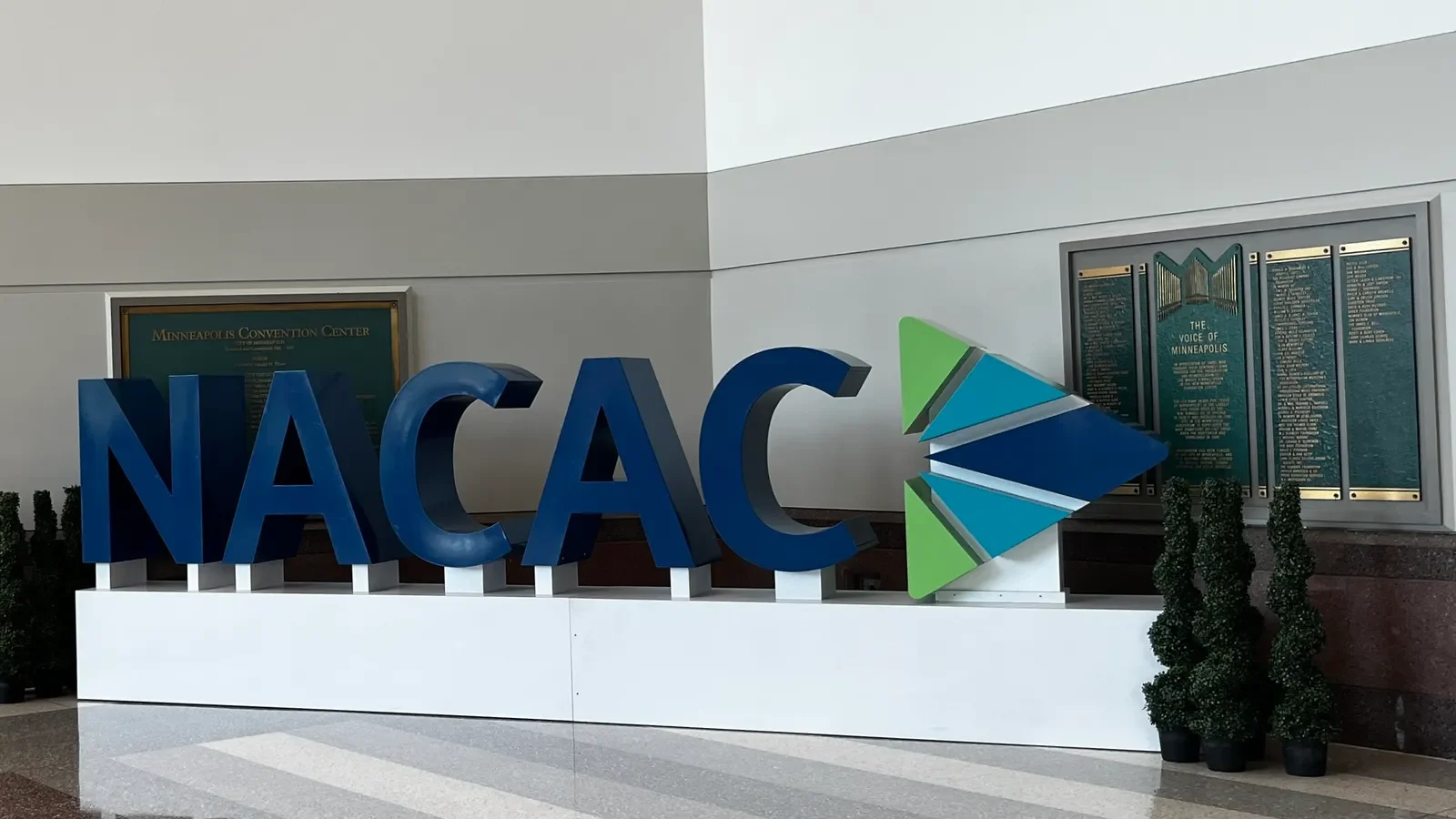
In recent years, American colleges have faced a significant challenge: declining numbers of traditional-aged students at home paired with policy uncertainties regarding foreign enrollments. At the National Association for College Admission Counseling conference held in Minneapolis, university leaders discussed these dynamics and offered insights into adapting recruitment strategies for international students. Three institutions noted for their robust international student populations—Rice University, the University of Connecticut (UConn), and Northeastern University—shared their strategies in navigating these turbulent waters.
Confronting Enrollment Challenges
The complexities of the current recruiting environment are underscored by the ongoing demographic shift impacting U.S. colleges. Leaders from institutions like Rice University are acutely aware that a significant portion of their international enrollment has historically stemmed from specific countries. At Rice, Yvonne Romero, Vice President for Enrollment and Dean of Admissions and Financial Aid, revealed that 41% of its international students once hailed from one nation.
To counteract this over-reliance, Rice has committed over $1.5 million toward diversifying its international recruitment over three years. As a result, international students within Rice's class of 2029 accounted for 13% of undergraduates, representing 56 different countries, a notable increase from previous years. This kind of investment reflects an understanding that the landscape is not just changing but requires proactive engagement to stay competitive.
UConn's scenario echoes this sentiment. Director of Undergraduate Admissions Vern Granger pointed out that in 2018, nearly 90% of their international undergraduates originated from China. While efforts to increase diversity have begun—such as the introduction of merit scholarships—the legacy of this focus remains challenging. Granger noted that without financial aid options, economic diversity among foreign students diminished, an issue that’s not unique to them.
Implementing Inclusive Policies
Northeastern University has recognized the need for flexible admissions policies that cater to international students' unique circumstances. Chief Enrollment Management Officer Satyajit Dattagupta explained that understanding the diversity of student needs can foster a welcoming environment. This is echoed in policies allowing students to start the semester late due to visa delays, demonstrating practical responses to widespread challenges facing international students.
Northeastern has also embraced a tailored approach by recognizing the regional differences from which their international students come. Enhanced programs based on academic qualifications from Indian matriculation exams illustrate a nuanced approach aimed at bridging the gap for prospective students.
Boots on the Ground: Expanding Global Presence
Building relationships internationally is critical, and all three universities have ramped up their on-the-ground recruitment efforts. Rice, for example, has taken strategic initiatives into Europe and South America, establishing its Paris Center to foster ties with K-12 educators across the continent. Through direct engagement, they aim to demystify the U.S. college application process and illustrate available support services.
Granger emphasized collaboration, suggesting that institutions band together for collective recruitment efforts. UConn recently partnered with several universities to conduct recruitment tours across sub-Saharan Africa, receiving a warm response that highlights the effectiveness of personal outreach.
Long-Term Vision Amidst Uncertainty
Despite the turbulent political and economic climate affecting international student admissions, Romero emphasizes the need for persistence. “Staying the course” while making calculated adjustments is pivotal. She noted that American universities continue to attract international interest, in part due to the broad and exploratory nature of their educational offerings.
Northeastern's outreach in countries like India, China, and Nigeria has challenged expectations, with some university representatives reporting record attendance at recruitment events. Dattagupta’s observations suggest a surprising resiliency among prospective students seeking education in the U.S. even amid tightening immigration policies.
For colleges navigating this shifting landscape, crafting a thoughtful and inclusive recruitment strategy remains imperative. The exceptional depth of education offered by American institutions still holds a significant allure for many international students, and understanding local contexts while addressing their needs can well position colleges for future success in a competitive international marketplace.
Navigating Uncertainty in International Recruitment
As U.S. institutions face the shifting sands of federal regulations, it's clear that a measured approach to international student recruitment is not just advisable; it's essential. Leaders in the field are urging caution and clarity in communication, recognizing the anxiety many families feel about their decisions. As Dattagupta pointedly observed, prospective students and their families rely on these institutions for reassurance—especially given the stakes involved. For many, this isn't just a choice of where to study; it's a life-altering decision.
Granger is equally vocal about the importance of maintaining a strong recruitment presence despite the tightening visa policies impacting African students. The statistics paint a stark picture: in 2025, nearly two-thirds of visa applications from Africa were denied, a significant increase from previous years. Yet, UConn shows an admirable commitment by continuing its efforts in a region that many might view as too risky. This speaks volumes about a long-term strategy that values relationships over immediate results.
Optimism can often seem out of place in current circumstances, but Granger remains steadfast in his belief that conditions will improve. He emphasizes that institutions ready to invest in international relationships today will be the ones poised for success once federal policies shift in favor of recruitment. The reality is, a proactive stance might make all the difference when the tide eventually turns.
What does this mean for you? If you're involved in international education or recruitment, now is the time to not just take a backseat but to engage meaningfully with potential students, keeping lines of communication open and transparent. The landscape may be daunting, but those institutions willing to remain steadfast today will be best positioned to thrive tomorrow.
Discussion
Sign in to join the discussion.