New federal accreditation rules take effect July 1, 2027, adding review criteria on academic freedom and lowering barriers for new accreditors.
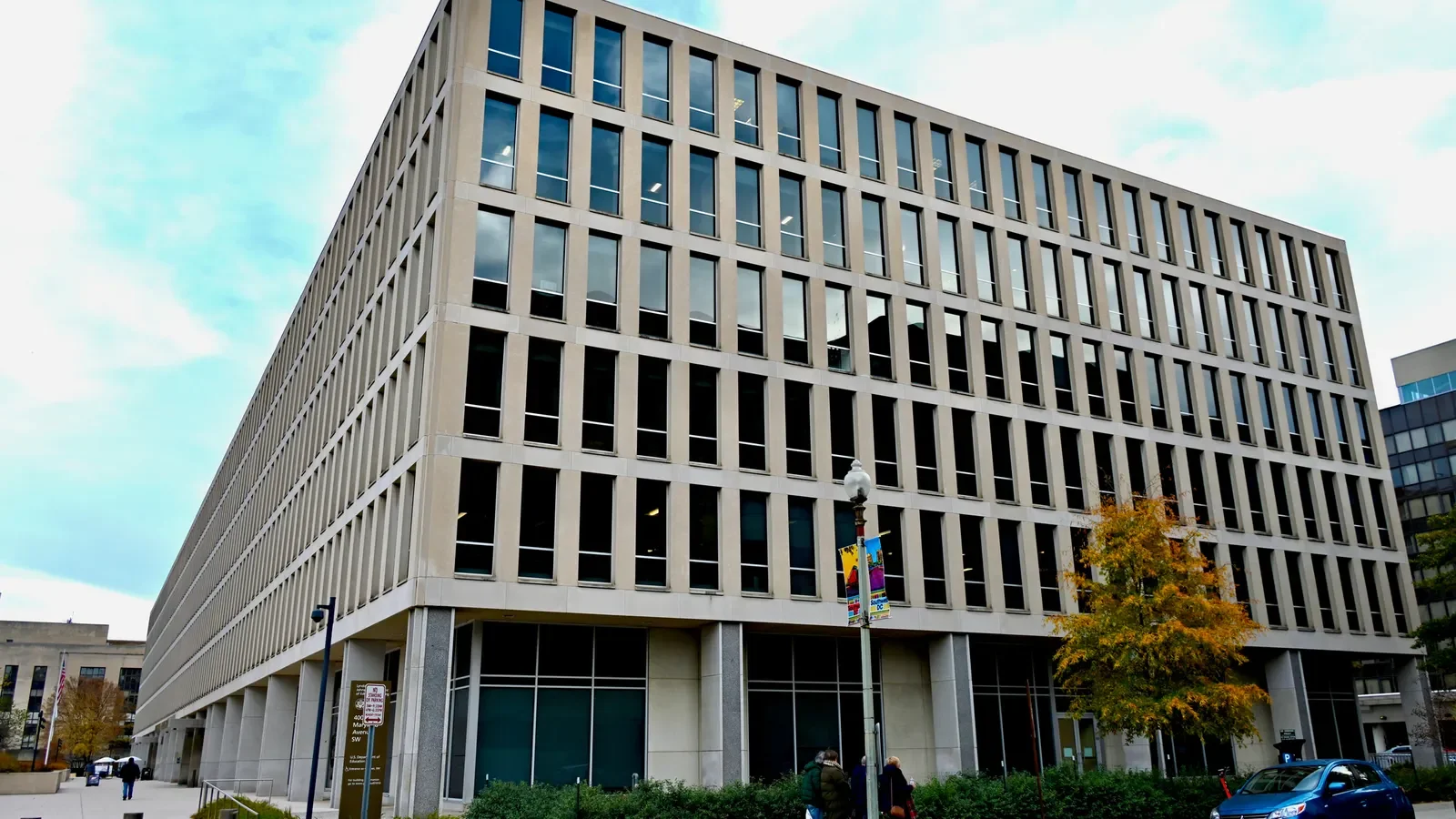
The Education Department’s final accreditation rule pairs new expectations for colleges with an easier route for competing accrediting agencies to gain federal recognition. The changes take effect July 1, 2027, giving institutions and accreditors eight months to update their policies and procedures. That timetable puts the practical work on both sides of the accreditation relationship: agencies must decide how to assess campus policies, while colleges may need to explain how those policies fit their missions and existing standards. The rule sets a federal framework, but much of its day-to-day meaning will depend on how accreditors interpret it.
New review criteria, with room for accreditor judgment
Accreditors must consider whether colleges protect academic freedom and freedom of inquiry, and whether their policies support intellectual diversity and the free exchange of ideas among faculty. These are review expectations, not a single required campus policy. That distinction matters: accreditation agencies will be asked to examine how institutions handle these issues, but the rule leaves room for different approaches across agencies and colleges.
The rule also bars agencies from enforcing what the Trump administration defines as “illegal diversity, equity, and inclusion requirements.” The wording places a boundary on accreditor conduct while leaving agencies to work out how that boundary applies in their reviews. The final text described here doesn’t supply one universal test for every institution. That leaves interpretation to agencies applying their own standards and considering each college’s stated mission.
The department says the criteria don’t require accreditors to adopt specific standards to remain federally recognized. Agencies without formal policies on academic freedom or intellectual diversity won’t fail federal compliance on that basis alone. Instead, they must assess each institution’s relevant policies and practices against their existing standards and the institution’s mission. Agencies that have adopted standards in these areas must apply them consistently. In practice, this gives agencies flexibility in what they require, but consistency in applying their chosen approach becomes part of the job.
That discretion cuts both ways. It may let agencies account for differences among institutions, since a college’s mission and practices can’t be assessed in a vacuum. But colleges and accreditors will still have to make their judgments legible: a review that relies on mission or existing standards needs a clear explanation of how those considerations shaped the outcome. The rule’s language leaves agencies with interpretive work, not a checklist that settles every dispute.
The department released the final regulations Thursday and said it made “no substantive changes” to the August draft. Much of the final text reflects an agreement reached during spring negotiated rulemaking with higher education representatives. The rule is set to appear in the Federal Register on Friday. The department’s account suggests continuity from draft to final version; the remaining question is how that text will be put into practice across agencies with different standards and procedures.
A shorter path for new accreditors
New accrediting agencies won’t have to operate for two years before seeking federal recognition. They can qualify through alternative criteria, including establishing accreditation standards and operating procedures and receiving at least one application to accredit a college or academic program. The change removes a waiting period and lets an agency begin the recognition process earlier, though it still has to demonstrate that it has standards and an applicant.
That could make it easier for new organizations to enter a field where established agencies have long handled accreditation. Yet an application is an early signal of interest, not proof that an agency has a durable track record. The rule’s alternative route therefore shifts attention toward what agencies can show about their standards and procedures at the point they seek recognition. Whether that is enough to support meaningful competition will depend on how the recognition process evaluates those materials.
Under Secretary of Education Nicholas Kent said the changes would create “a more competitive and transparent accreditation system” and make colleges more accountable. He argued that accreditors had acted “as a cartel to protect their interests” instead of focusing on the educational value institutions deliver to students. Those are the administration’s stated reasons for lowering the entry barrier. The final rule’s effect will be measured less by the rhetoric than by whether new agencies can qualify and whether colleges have credible alternatives in accreditation.
Here’s the thing: competition only changes the system if institutions can meaningfully choose among agencies and the agencies can maintain standards that colleges and students can understand. The rule opens a route into the field, but the text alone doesn’t establish how many agencies will use it or what their presence will mean for institutional reviews.
Implementation timeline draws criticism
The department accepted public comments for one month, the minimum period required by law, and received about 7,000 responses. Some commenters asked for a phased rollout. The department declined, saying the time between November 2026 and the July 2027 effective date was sufficient to bring standards, policies and procedures into compliance. A single effective date gives agencies and colleges a common deadline, but it also concentrates the work into a defined period for organizations that may need to revise review materials and internal processes.
The Council for Higher Education Accreditation criticized the final rule. Its president, Nasser Paydar, said many concerns raised by the organization and the higher education community remained unresolved. He pointed to new requirements for accreditors and institutions, potential effects on institutional academic freedom, and the possibility of added costs and administrative burdens. Those concerns speak to the gap between a federal rule’s general requirements and the work of implementing them: interpretation, documentation, and staff time can all shape how much change a new standard requires.
The criticism also highlights a tension in the rule. Agencies are being asked to examine institutional policies in sensitive areas, while the department says it isn’t prescribing one specific standard for every accreditor. That flexibility may help preserve differences among agencies, but it can also make expectations harder for colleges to anticipate. If you’re working in this space, the immediate task is to understand how your accreditor plans to apply its existing standards and whether your institution can explain its policies against that framework.
What the rule will test
The near-term test will be whether accreditors can translate the new review expectations into their existing standards before the deadline, while the easier recognition process brings new agencies into the field. This is more significant than it looks: the rule changes both what accreditors must consider and how prospective competitors can seek recognition. Those changes may affect how colleges prepare for reviews and how agencies describe their expectations, even where the rule doesn’t mandate a particular campus policy.
And yet, the outcome isn’t settled by the effective date. Agencies will have to make the criteria workable in reviews, and institutions will have to show how their policies and practices meet the standards applied to them. New entrants, if they come, will add another variable. A short runway, competing interpretations, and a new recognition path. The first evidence of the rule’s reach will be in those implementation choices.

Discussion
Sign in to join the discussion.