A Bard-commissioned audit found serious inconsistencies in emails attributed to Leon Botstein, while other allegations remain under review.
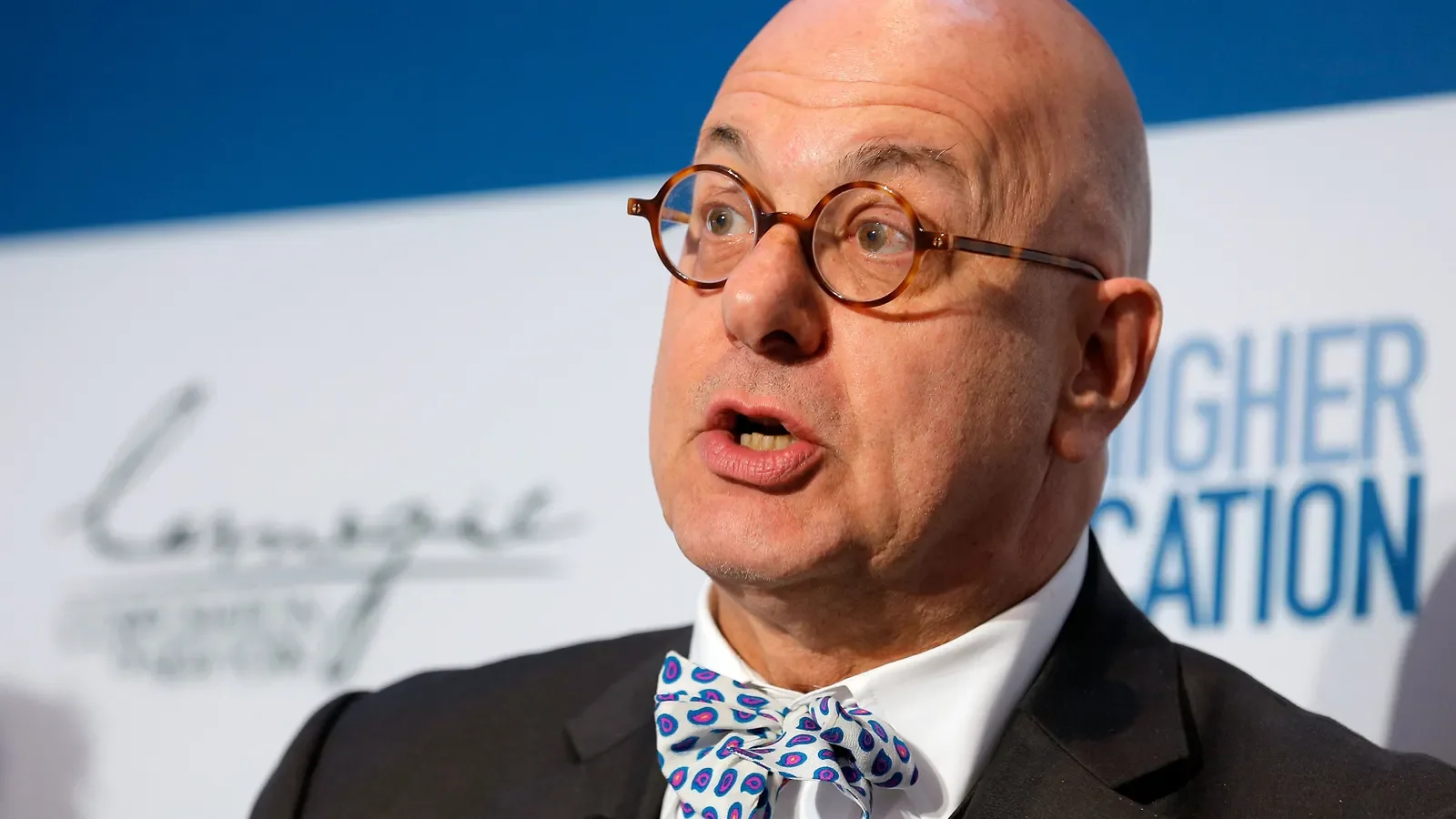
The disputed emails at the center of scrutiny over Leon Botstein’s ties to Jeffrey Epstein may not be authentic, according to a forensic review commissioned by Bard College. FTI Consulting’s findings challenge one strand of allegations against the former president, while leaving separate claims about Bard’s handling of sexual misconduct unresolved. That distinction matters: a challenge to one set of documents doesn’t answer questions raised by other evidence or claims. The review narrows what can be said about the emails, but it doesn’t settle the broader dispute.
Forensic review flags inconsistencies
FTI’s Oct. 19 report described a 2014 email exchange attributed to Botstein and Epstein as “highly suspicious,” citing “a strong substantive basis” to question its origin and authenticity. The exchange appeared as PDF files in the U.S. Department of Justice’s Epstein records. The report’s wording signals substantial doubts, but it doesn’t establish who created the files or how they entered the records. For readers assessing the allegations, that gap between a document appearing in a government collection and its authentication is central.
The auditors found no trace of the exchange on Bard’s servers dating back to at least 2017. They also identified irregularities in the documents’ formatting and timestamps. Messages presented as Botstein’s replies appeared only as threaded text within other emails, rather than as separate messages. These points bear on whether the files reflect ordinary email records, though the report’s findings, as described, don’t identify a definitive source for the disputed material. A missing server record also can’t, by itself, show when or where a document originated.
The review bears directly on an exchange cited by Democrats on the House Judiciary Committee. In it, the sender identified as Botstein asks whether a young woman allegedly trafficked by Epstein was “for me, or are you keeping her for yourself.” Botstein has denied writing the message and rejected the lawmakers’ allegations. The content is grave, which makes the question of authorship more than a technical footnote. If you’re following the dispute, keep the allegation and the evidence about the document’s provenance distinct.
Other allegations remain open
On Oct. 7, Rep. Jamie Raskin called for a federal investigation, saying he had “damning evidence that Botstein likely enabled and possibly even participated in Epstein’s abuse while serving as Bard’s President.” Raskin also cited whistleblower claims that Botstein may have interfered with Title IX proceedings and shielded faculty members accused of sexual misconduct. Those are separate allegations, and the email review doesn’t resolve them. Their status depends on the evidence and inquiries addressing those claims, not on whether the disputed exchange can be authenticated.
FTI’s audit addressed the email exchange, not those allegations. Bard said in an Oct. 22 statement that its review of the other claims in Raskin’s letter was continuing and that the college was committed to establishing the facts. The college said it would keep working to provide a safe and respectful learning environment. Those statements describe the institution’s position and its stated process; they don’t report a final finding on the claims. Here's the thing: a continuing review leaves important questions unanswered until Bard explains what it has established.
Botstein led Bard for more than five decades and resigned as president this summer amid scrutiny of his association with Epstein. On the day Raskin sent his letter, Bard Board Chair Brandon Weber said the college was undertaking a full review of the allegations. Botstein also left his professorship and roles in Bard’s music programs, effective immediately. The departures mark a major change in his formal relationship with the college, but they don’t establish the truth or falsity of the allegations. Institutional consequences and factual findings are different matters.
Raskin and Weber have both said Bard is cooperating with the committee’s inquiry. The college hired FTI as an early step in its review. That cooperation gives the committee a route to examine the matter, while FTI’s work supplies a narrower assessment of the emails. How the college’s own review addresses the remaining claims will matter to students, employees and others trying to understand Bard’s response. The process is still underway.
Prior investigation documented close ties
The email questions arrive amid wider examination of Botstein’s relationship with Epstein and what he disclosed about it to Bard leaders. An earlier investigation by WilmerHale found frequent contact between the two from 2012 to 2019, both in person and remotely. Botstein visited Epstein’s townhome more than two dozen times and traveled to his private island, according to the investigation. Those reported contacts provide context for why the relationship drew scrutiny, but they don’t authenticate the later-cited email exchange. Context can explain why a question is being asked without answering it.
WilmerHale also reported that Epstein donated to Bard, visited the campus twice and paid Botstein under a consulting agreement. The investigation said Botstein obscured details of the donations from the college’s board. It found no illegal conduct by Botstein, and its summary did not assess the emails later cited by Raskin. Its conclusion is therefore bounded by the questions that investigation addressed. That said, the reported donations and consulting arrangement raise a separate institutional issue: what Bard’s leaders knew about the relationship and how it was presented to them.
Auditors quoted Botstein as saying he “did not see a risk to Bard’s reputation in pursuing Epstein or the potential risk to Bard students of exposure to Epstein,” and did not think his actions could validate Epstein to potential victims or their parents. FTI’s findings put the provenance of one prominent piece of evidence in doubt; Bard’s broader review will determine what remains established about the college’s relationship with Epstein and its response to the other claims.
What the findings leave for Bard
This is more significant than it looks, but its reach is limited. If the disputed exchange can’t be verified, claims that rely on it need to be reassessed; the reported contacts, donations and consulting arrangement remain part of the separate record described by WilmerHale. The next test is whether Bard can explain its findings clearly enough for readers to see which questions it has answered and which remain open. And yet, a review’s value depends on its scope as well as its conclusions.
For Bard, the unresolved issue is institutional as much as personal: how leaders handled information about Epstein, and how the college responded to the misconduct claims Raskin raised. The available statements establish that reviews and cooperation are underway, not what those processes will conclude. A narrower finding. That’s the limit readers should keep in view as the inquiry continues.
Discussion
Sign in to join the discussion.